Products
PRODUCTS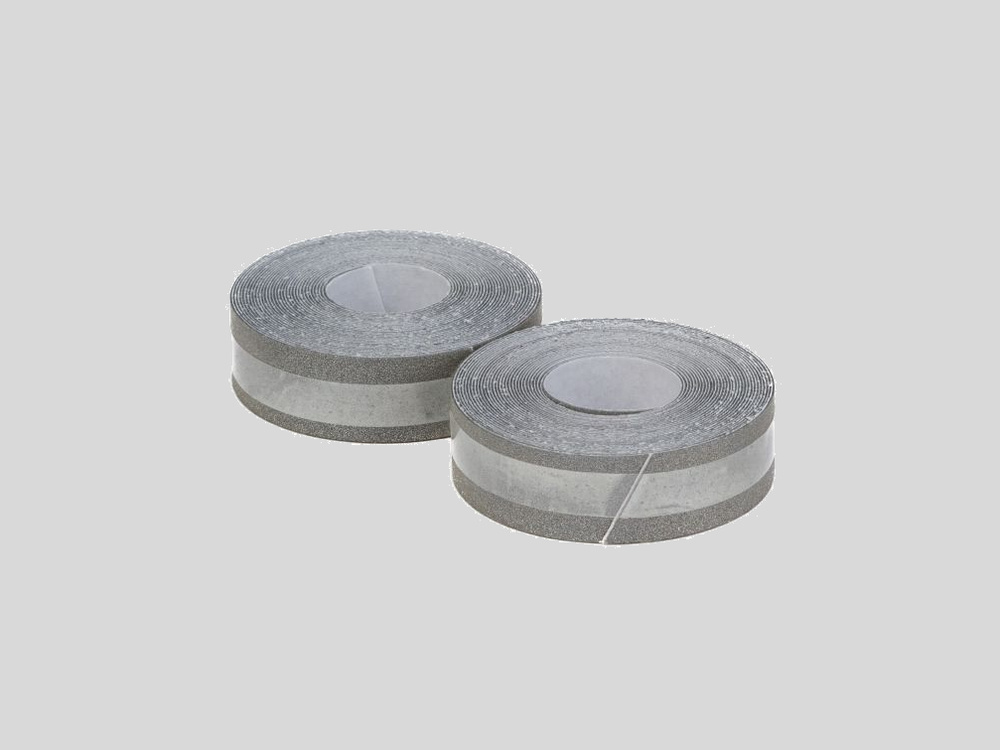
 Overview
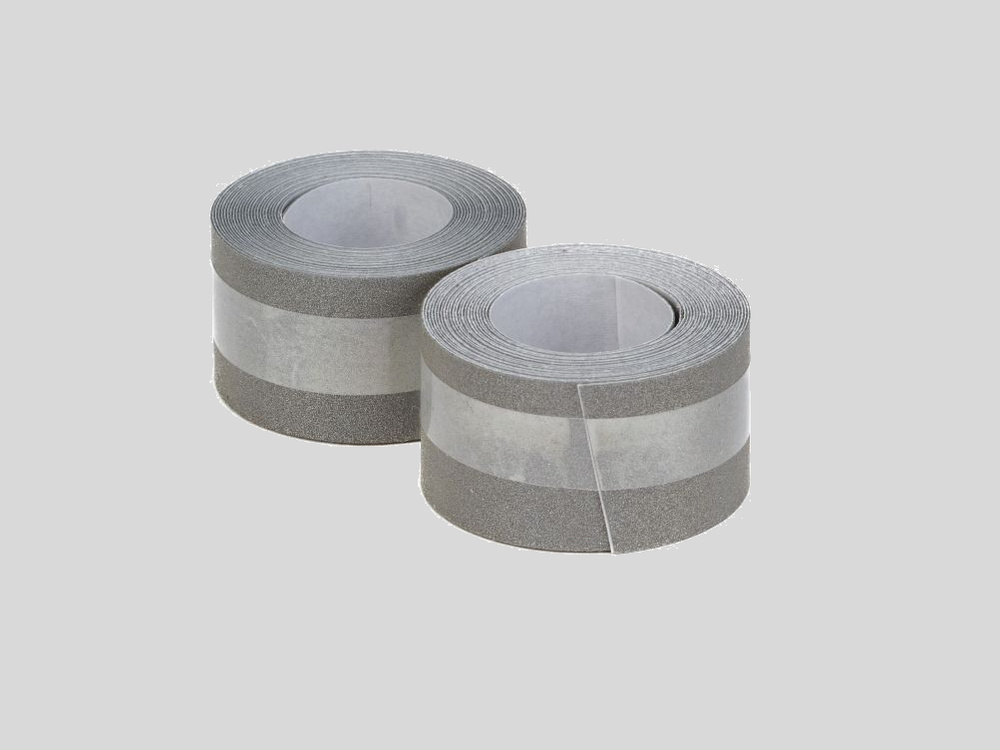
LUYOR RT10/RT20 roll reflective tape comes in 10, 15, 20 and 80 mm widths with 2 m rolls and custom lengths to 100 m. Glass-bead return, high tack and thin backing suit laser speed checks, balancing and vibration work.
Wider tape is not automatically better. A mark that is too wide disturbs the surface; one that is too narrow may not return enough light at distance. Use the following guide to avoid rework on site.
| Width | Standard packing | Typical use |
|---|---|---|
| 10 mm (RT10) | 10 x 200 mm, 10 strips per pack; 10 x 2000 mm, 2 rolls per pack; 10 x 5000 mm, 1 roll per pack | Small shafts, high-speed parts and tight spaces where a small mark limits balance disturbance |
| 15 mm | 15 x 200 mm, 10 strips per pack; 15 x 2000 mm, 2 rolls per pack; 15 x 5000 mm, 1 roll per pack | General motors and fans, balancing return strength with mark size |
| 20 mm (RT20) | 20 x 200 mm, 10 strips per pack; 20 x 2000 mm, 2 rolls per pack; 20 x 5000 mm, 1 roll per pack | Large motors, fans, rough surfaces and longer working distances |
| 80 mm | 80 x 80 mm and 80 x 100 mm, 10 sheets per pack | Long-distance ranging, laser vibration targets and large-rotor balancing |
A return target for laser tachometers, photo sensors and panel meters, applied to shafts, discs or fan blades.
The thin backing leaves the rotor balance unchanged, while the mark provides a phase reference on rotors, motors, spindles and fans.
Works with stroboscopes to check synchronisation and surface condition. A single mark is easier to read than several.
Provides a stable return target. Choose 20 mm or 80 mm for rough surfaces or long distances.
Supplies a consistent return point and avoids stray reflections from polished metal.
Used with stroboscopes for cone and balance adjustment. Cut and fix marks at the same radius on each blade.
For close measurements cut 10-15 mm segments; at longer distances or with a larger spot use 20 mm or more. Keep segment shape consistent so pulse width stays even.
Remove oil, dust and water. On polished metal, mask the surrounding bright area so the tape is the effective target.
Place the mark at the same radius on every repeat measurement. Moving it changes the phase reference.
Use a single mark for routine speed readings. For multi-pulse measurement use zebra tape and set the pulse count on the instrument.
Press from the centre outwards and work out air bubbles, especially at the edges. Check at low speed before going to full speed.
The material and reflective structure are the same. RT10 is 10 mm wide for small shafts, high speeds and tight locations. RT20 is 20 mm wide with a larger return target for large rotors, rough surfaces and longer distances. Both are supplied as 2 m rolls, 2 rolls per pack.
That depends on the length you cut. Routine handheld checks need 10-20 mm segments, so one roll yields well over a hundred. Larger rotors or long-distance targets need longer pieces. Keep the cut edges straight for cleaner pulses.
Not recommended. Once removed, the adhesive picks up dirt and loses tack, which can cause edge lift at speed. Reflective tape is a consumable; keep spare packs and replace as needed.
Look for a second reflective mark, stray reflections from polished parts or nameplates, and a lifted or dirty tab. After those checks, inspect sensor distance and the instrument pulse setting.
Indoor clean areas allow long service. Oil, dust and UV accelerate ageing. When readings become unstable, fit a fresh tab instead of waiting for the old one to fall off.
Send inquiry

Email: info@xinysun.com

Tel: +86-131-2093-6518

Address: 1525 Minqiang Road, Bldg 26, Songjiang, Shanghai

Copyright 2026 Xinysun Instrument (Shanghai) Co., Ltd. All rights reserved.
ICP:ICP-2026046447




 Products
 Applications
 Previous:
 Back to list

 Industrial Test Instruments


