Products
PRODUCTS Breadcrumb: Home > Products > Semiconductor Particle Detection
Semiconductor particle detection: clean air data does not mean a clean surface; learn how to check settled particles and organic residue on wafers, carriers, tools, FFUs and rails. Particle counting, surface scanning, fluorescence location and wipe sampling are compared, with LUYOR MNT-365A, LUYOR-365L and 3360G yellow-green inspection solutions, PM recheck workflow and interpretation tips.
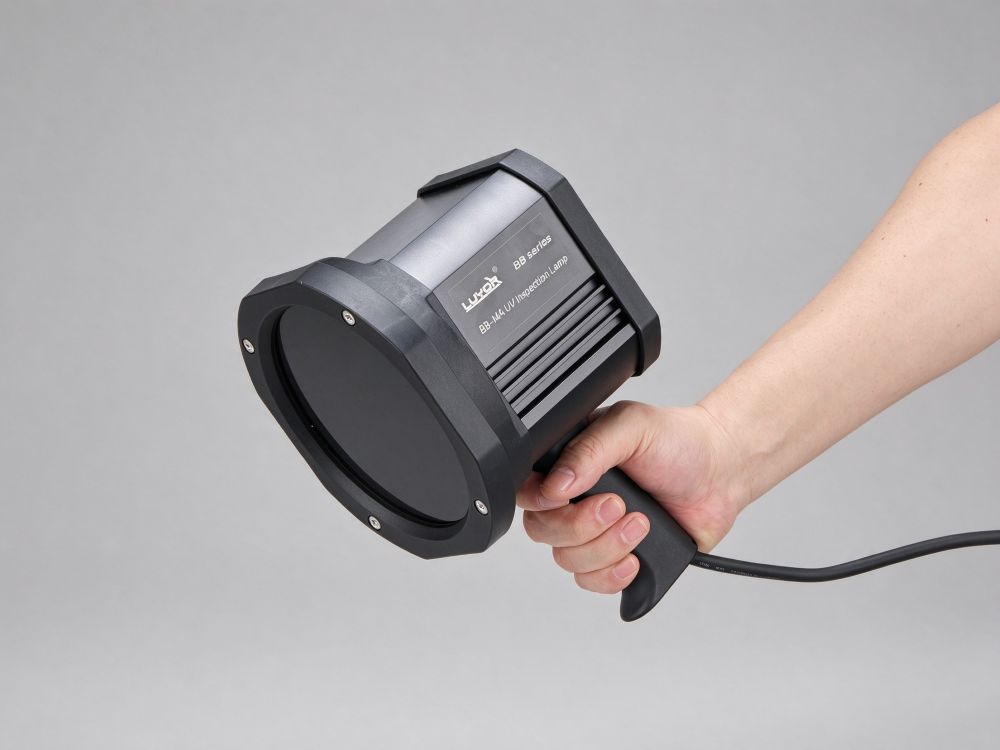
 Model: LUYOR-BBMA/BBHA

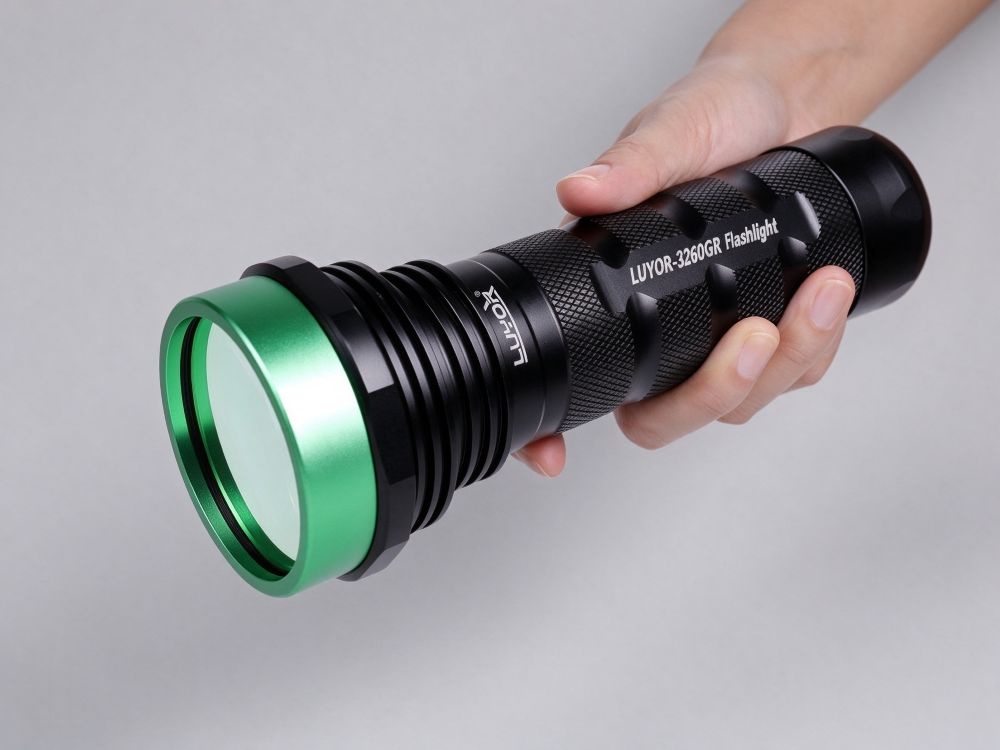
Model: LUYOR-3260G
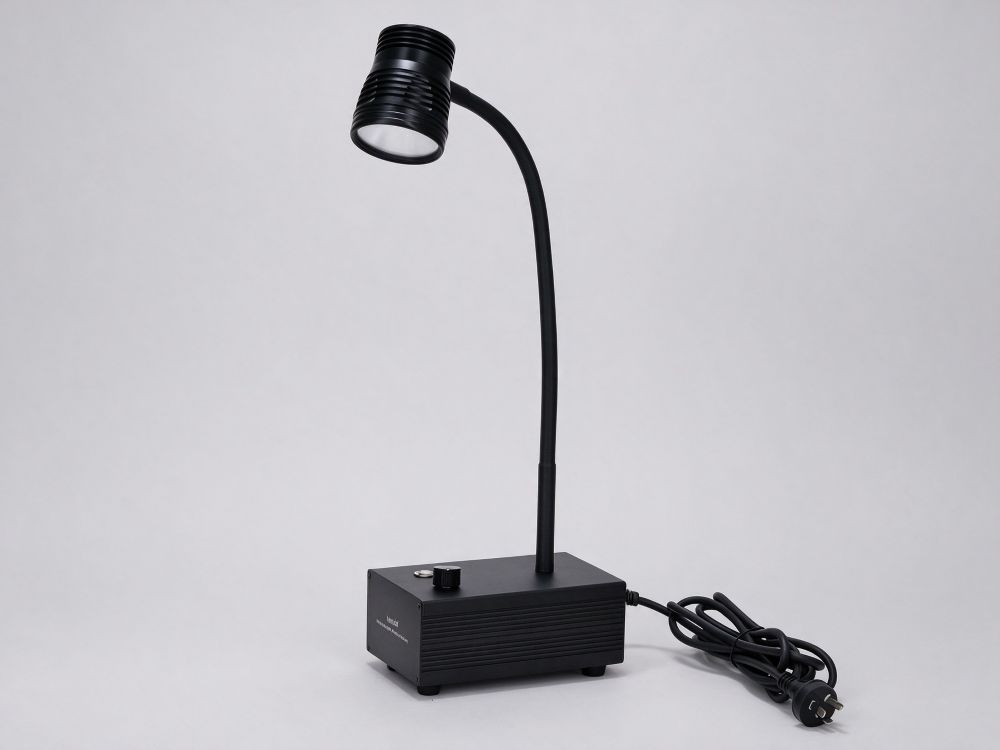
Model: LUYOR-3318
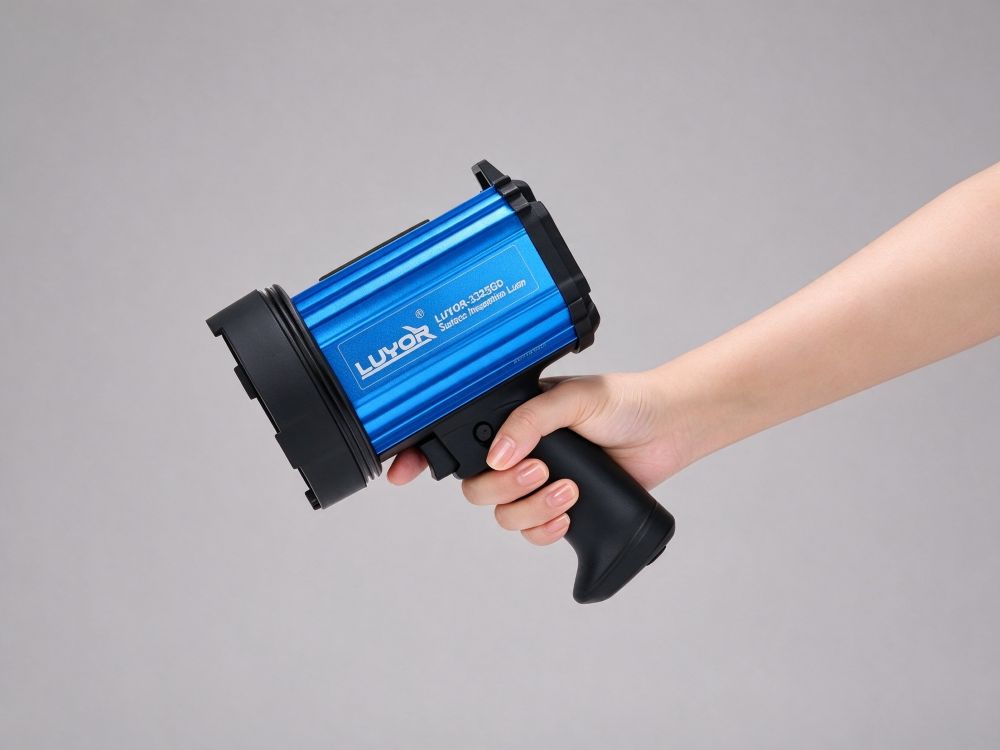
Model: LUYOR-3325G
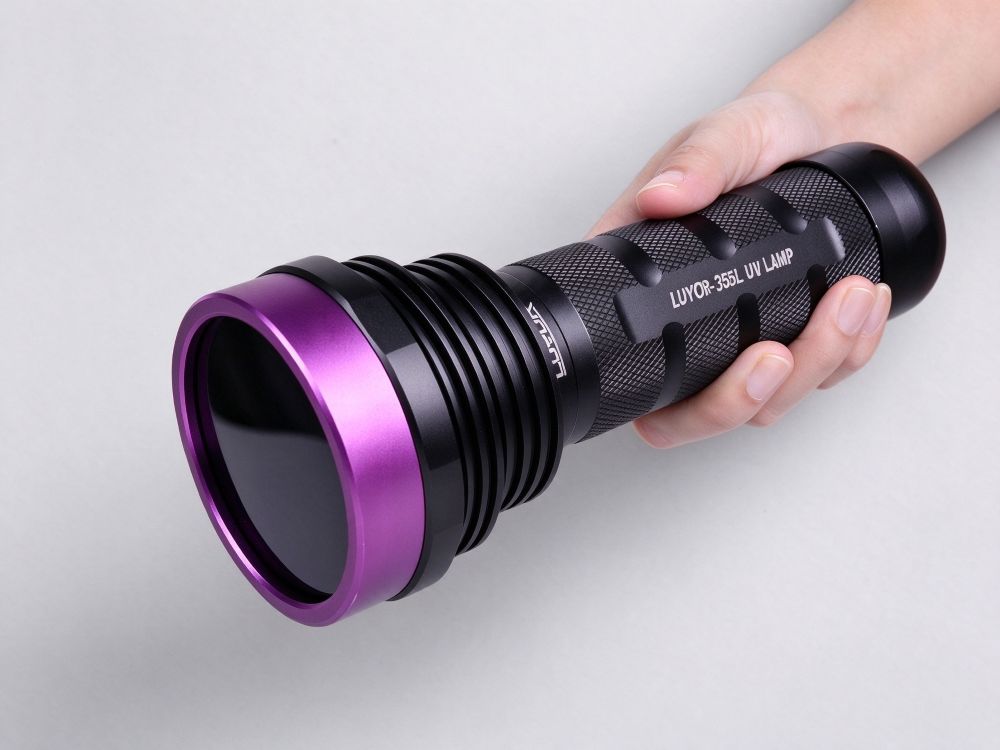
Model: LUYOR-365L
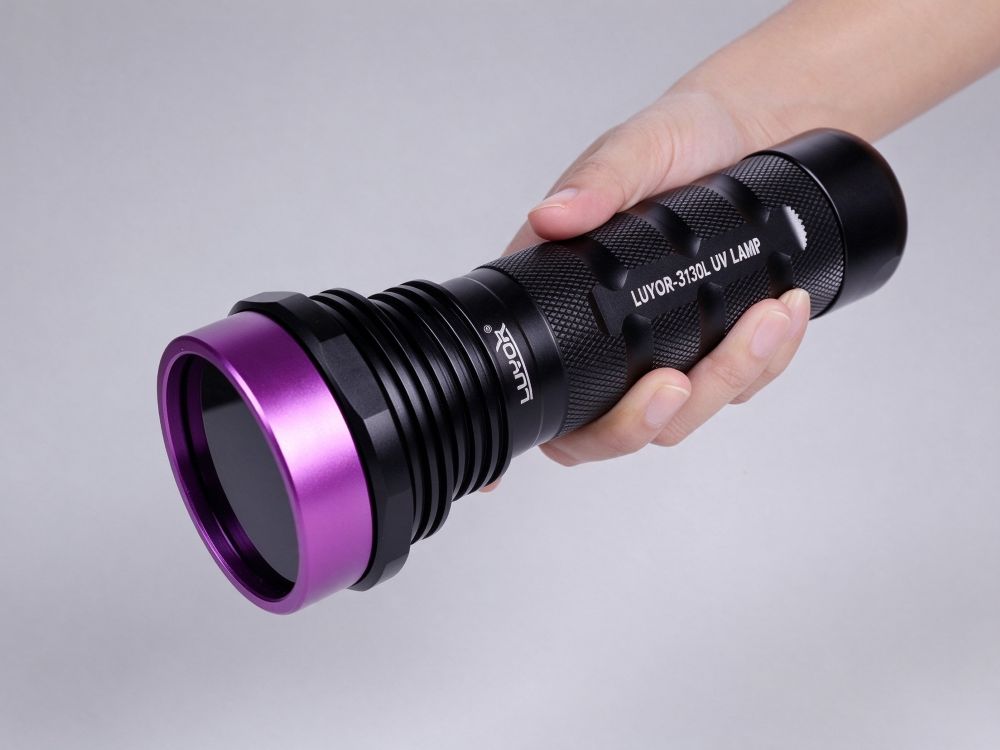
Model: LUYOR-2130L
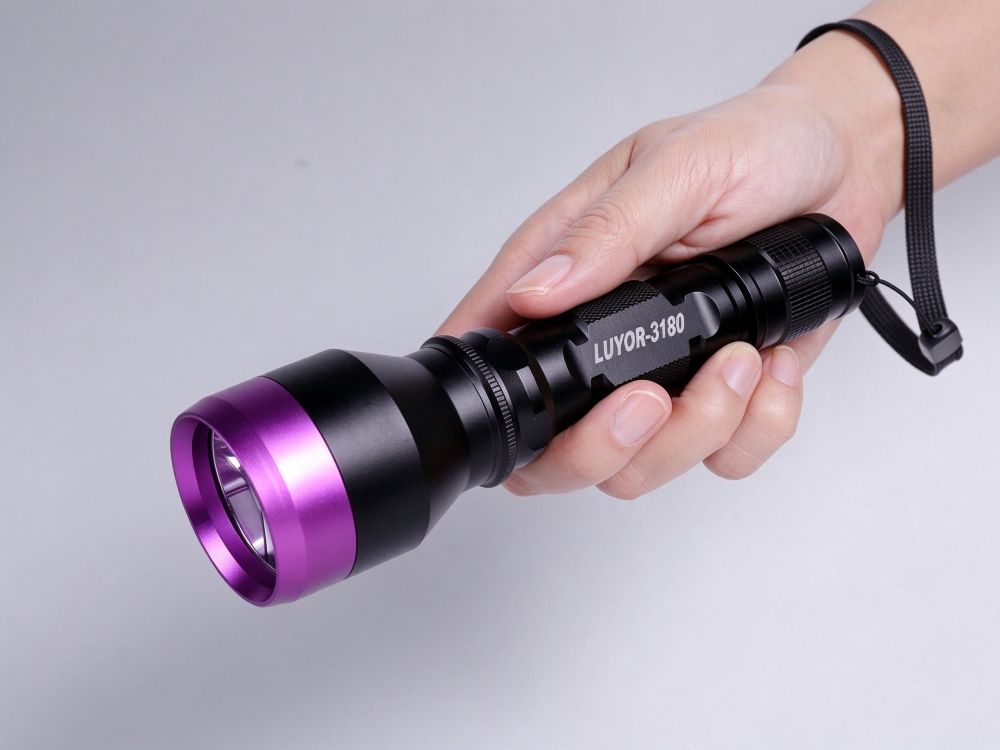
Model: LUYOR-3180
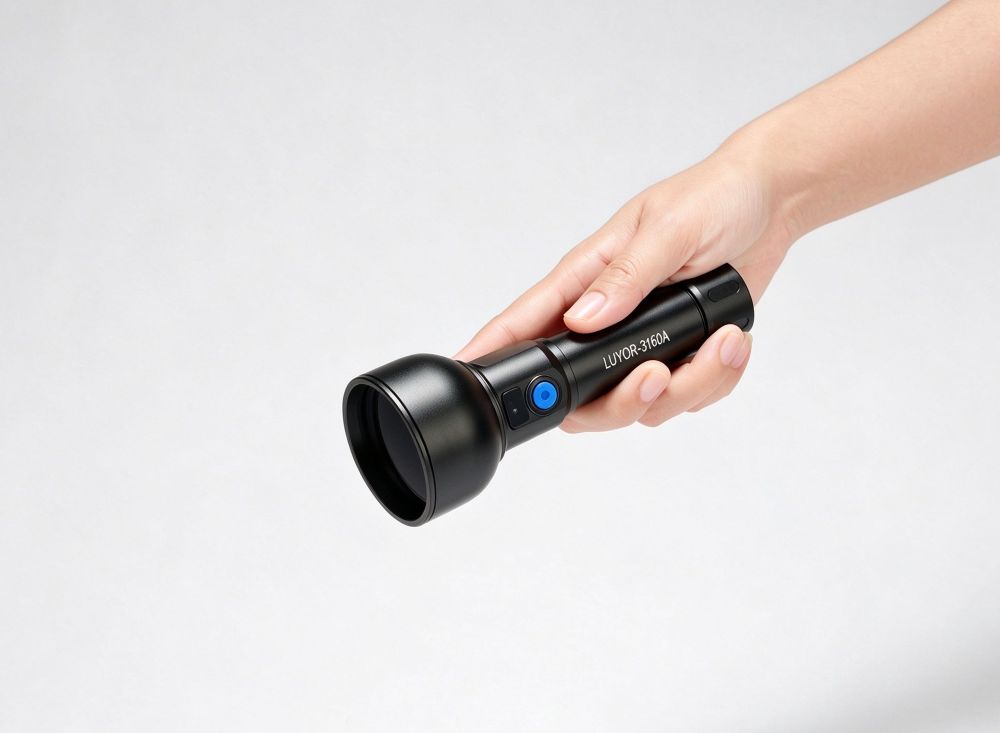
Model: LUYOR-3160A
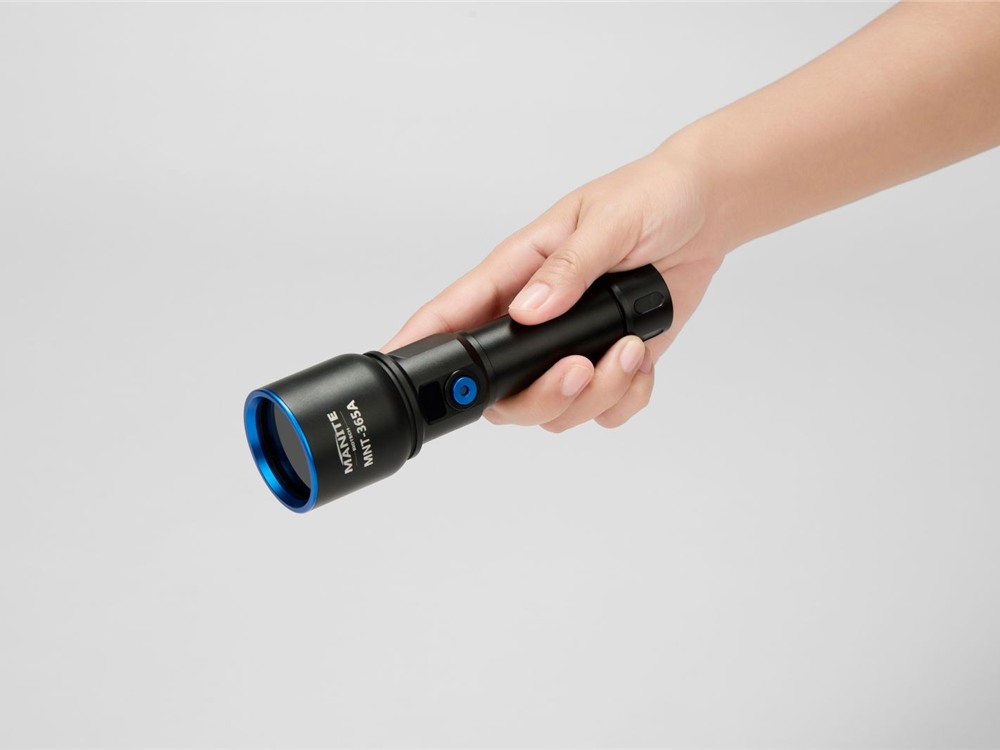
Model: MNT-365A
Air cleanliness and surface cleanliness are two separate systems and cannot be converted into each other: the ISO 14644-1 class certificate measures airborne particle concentration, with fixed sampling points and particle-size bins; surface cleanliness is a point-by-point fact, expressed as particles/cm² or a fluorescence criterion. What works on the shop floor is assigning each of the three methods its proper place - first use grazing-angle bright light to find particles and scratches, then use 365nm UV to find oil and residue, and finally use particle counting to verify the environmental class.
| Method | What It Can Reveal | What It Cannot Reveal | Typical Use |
|---|---|---|---|
| Grazing-angle bright light (Yellow-Green Surface Inspection Light) | Shadows of raised particles, burrs, scratches, and foreign matter | Submicron particles, transparent film residue | Recheck after tool preventive maintenance (PM), and incoming and finished-goods visual inspection |
| 365nm UV fluorescence (UV-A inspection lamp / particle detection lamp) | Oil, fingerprints, flux, and cleaning agent residue | Inorganic dust, metal shavings | Cleanroom entry checks, degreasing and cleaning validation |
| ISO 14644-1 airborne particle counting | Airborne particle concentration and particle-size bins | Particles already settled on surfaces | Cleanroom class certification and routine environmental monitoring |
The comparisons above are compiled from publicly available specifications on the individual product pages. For specific configurations, prices, and lead times, please refer to the corresponding product page or call the number at the bottom of the page. Xinysun Instruments (Shanghai) Co., Ltd. supplies LUYOR and XEPU instruments for industrial inspection, UV curing and speed measurement.
The ISO 14644-1 class certificate measures airborne particle concentration: fixed sampling points, particle-size bins, and calculation based on sampled volume. Surface cleanliness is a different matter - whether a given tool, fixture, or weld seam actually has particles is a point-by-point fact, expressed as particles/cm² or 'discernible particles present or absent'. Passing the air cleanliness requirement does not mean surfaces are clean, especially after PM disassembly and reassembly.
So the inspection logic on a semiconductor shop floor is layered: first use grazing bright light to find raised particles, burrs, and scratches; then use 365nm UV to find oil, fingerprints, and cleaning agent residue; finally use airborne particle counting to verify that the environmental class is being maintained. Each of the three has its own role, and none can replace the others.
1. Clean before inspecting: after wiping, wait for the surface to dry. A wet surface hides particles under a liquid film and causes fluorescence to spread.
2. Bright-field grazing illumination: sweep yellow-green light across critical surfaces at a grazing angle of less than 30°; particles and scratches cast long shadows, and viewing obliquely from a low angle reveals them more easily than front lighting.
3. Supplementary UV check: turn off the lights or shield the area, then use a 365nm lamp to check for oil, fingerprints, flux, and cleaning agent residue; fluorescence appears bright green or blue-white.
4. Mark and sample: label and number suspect spots and photograph them; if discernible particles are found on a critical surface, stop the tool and clean again.
5. Environmental verification: perform particle counting only when the class needs to be confirmed, recording the sampling points, particle-size bins, and sampled volume.
A blanket 'zero particles everywhere' rule is neither achievable nor enforceable; criteria must be tied to the relationship between the surface and the product.
| Area | Criterion | Main Tool |
|---|---|---|
| Wafer contact surfaces, chamber inner walls | Stop the tool for cleaning and recheck as soon as discernible particles are found | Yellow-green grazing light + UV |
| Fixtures, transfer mechanisms, robots | Clean during the shift, recording locations and images | Yellow-green grazing light |
| General equipment surfaces, workbenches | Include in the scheduled cleaning plan and track trends | Yellow-green or white light |
| Cleanroom environment | Verify according to ISO 14644-1 class and sampling rules | Airborne particle counter |
Recheck after tool PM: confirming critical surfaces after disassembly, part replacement, and lubrication.
Incoming and finished-goods appearance: particle and scratch inspection of wafer cassettes, carriers, and fixtures.
Cleanroom personnel and material flow: checks before and after gowning, at pass-through windows, and at air showers.
Before coating and film lamination: confirming surfaces are particle-free to avoid pressure damage and bumps.
Failure analysis: locating the source of foreign matter and determining whether it came from the environment, the equipment, or personnel.
Cleaning process validation: comparing the actual effectiveness of different wiping methods and consumables.
Selection and Brands: Avoiding Pitfalls in Choosing Fluorescent Protein Excitation Sources: Why Do Many Experiments Show No Fluorescence Signal?, How to Choose a Particle Detection Lamp? The Roles of 365nm UV-A Lamps and Surface Inspection Lights, and Six Devices...
Operation and Interpretation: Hairy Root Transformation in Raspberry Without Tissue Culture: How to Rapidly Screen eGFP-Positive Roots, Pea PsLykX Gene Editing Validation and Hairy Root Fluorescence Screening: LUYOR-3...
Field and Literature Case Studies: Application Cases of the LUYOR-3415RG Dual-Wavelength Excitation Source: Six Fluorescence Observation Scenarios
Yes. A class certificate measures the concentration of airborne particles, with fixed sampling points and particle-size binning rules; surface cleanliness is a point-by-point fact. The two cannot be converted into each other: passing the air requirement does not mean there are no settled particles on tool surfaces, especially inside equipment and in fixture crevices after PM disassembly and reassembly.
Use grazing bright light first to find particles and scratches, then UV fluorescence to find oil, fingerprints, and cleaning agent residue. Reversing the order lets particle shadows interfere with fluorescence interpretation; moreover, UV inspection must be done in a dark environment, and completing the bright-field check first reduces time spent repeatedly adjusting the lighting.
Grade by area and impact in three levels: on critical surfaces (wafer contact surfaces, chamber inner walls), stop the tool for cleaning and recheck as soon as discernible particles are found; on general surfaces, record the location and clean during the shift; non-critical areas go into the scheduled cleaning plan. Record the location, size, and image each time so you can tell an isolated event from process drift.
Under good illumination, the naked eye can usually detect particles on the order of tens of micrometers; with yellow-green grazing light and the help of shadows, 10-20μm particles may also become visible, depending on particle color, shape, and background contrast. Submicron particles require particle counting or microscopy - no 'bright flashlight' constitutes a criterion for submicron detection.
Yes. The smaller the grazing angle, the longer the shadow and the easier it is to spot raised features; but too small an angle leaves distant surfaces outside the beam footprint. In practice, hold the light low at 10-20° and sweep slowly 10-20cm from the surface; when you find a suspect spot, change the angle and look again - this is more reliable than sweeping the whole area from one fixed position.
At least four items: location (area + point number), image, criterion (discernible particle / fluorescent residue), and action taken. Photos without location and criteria cannot be used for trending; conclusions without images cannot be compared at recheck to see whether it is the same problem.
No. Surface inspection is a qualitative to semi-quantitative point-by-point judgment, while particle counting is a quantitative verification of the environmental class. Audits require the class certificate and sampling records, while customers want the fact that surfaces are particle-free; the two solve different problems.

Email: info@xinysun.com

Tel: 131-2093-6518

Address: 1525 Minqiang Road, Bldg 26, Songjiang, Shanghai

Copyright 2026 Xinysun Instrument (Shanghai) Co., Ltd. All rights reserved.
ICP:ICP-2026046447




 Products
 Applications
 Industrial Test Instruments


