
Products
PRODUCTS Breadcrumb: Home > Products > Life Science Instruments > Laboratory UV Lamps
Laboratory UV lamp selection: 254/302/365 nm tube and LED lamps compared for nucleic acid observation, photocatalysis, fluorescence protein screening and surface disinfection, covering LUYOR XX-15/XX-20 tube lamps, LUYOR-3410 portable lamp, LUYOR-3109 benchtop photocatalysis lamp and LUV transilluminators, compared by wavelength, intensity, spot size and distance, with darkroom and safety notes.
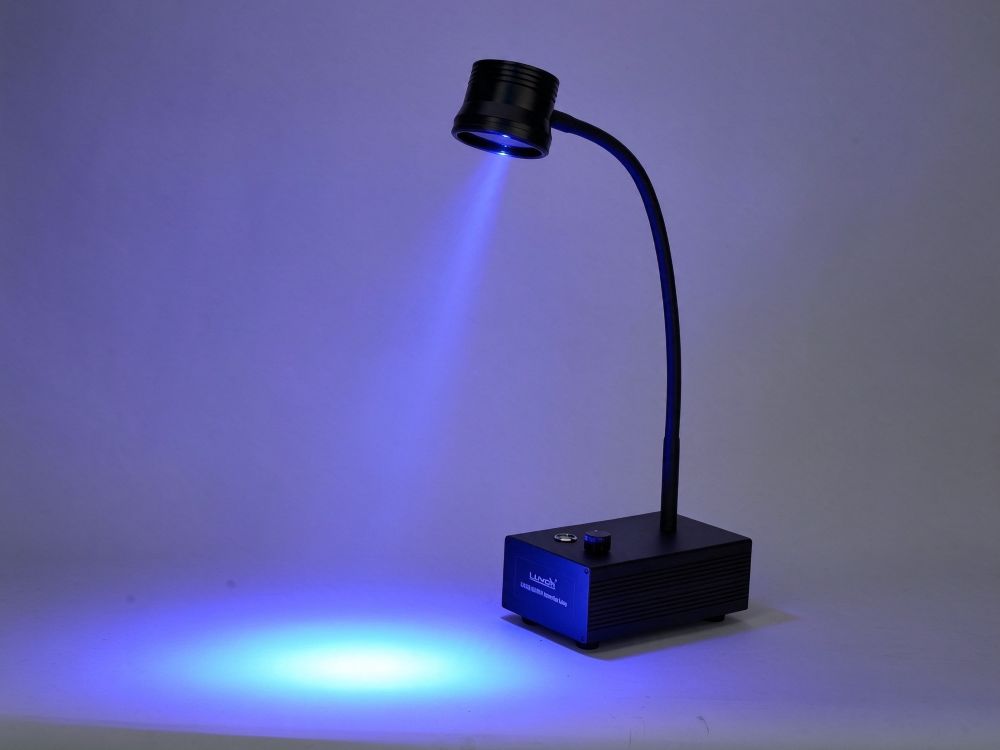
 Model: LUYOR-3405A

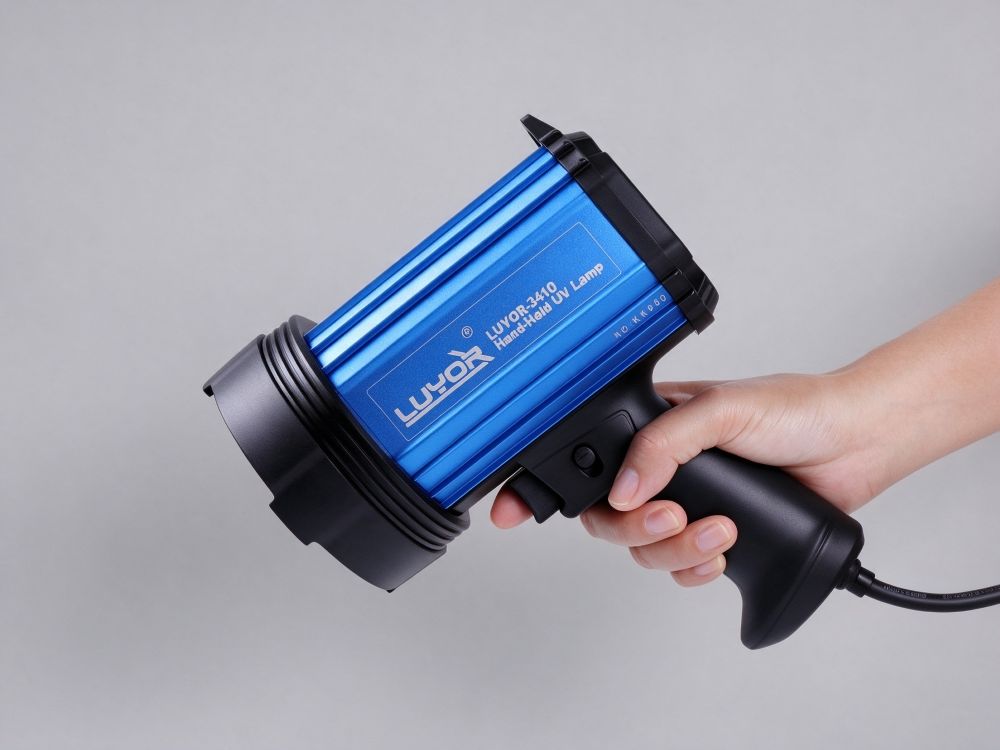
Model: LUYOR-3410
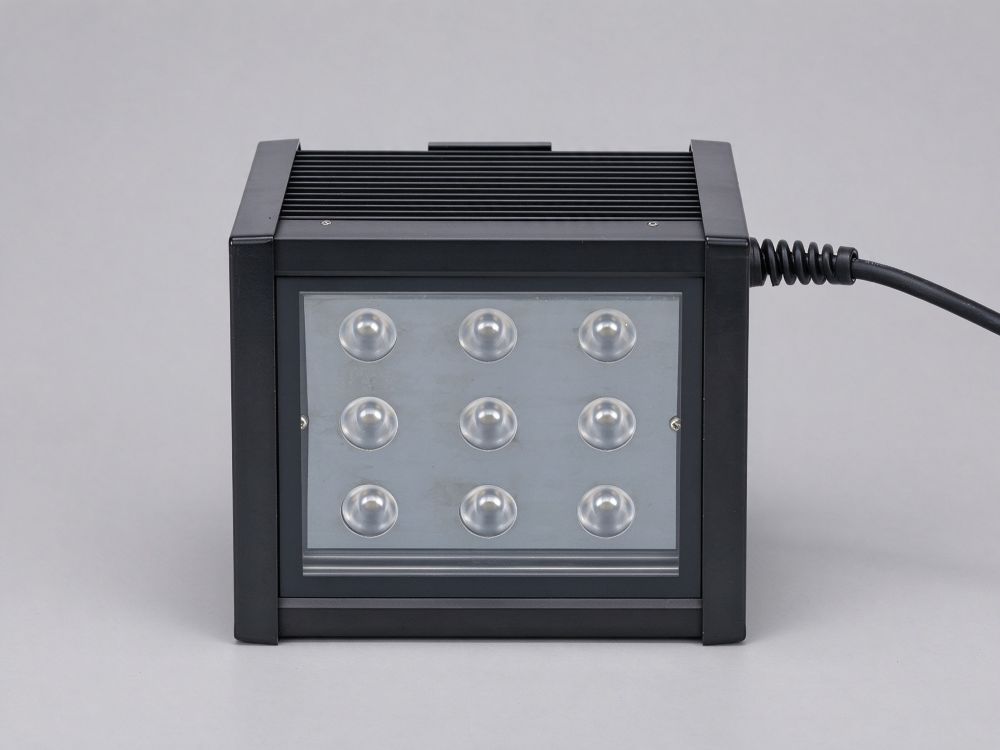
Model: LUYOR-3109
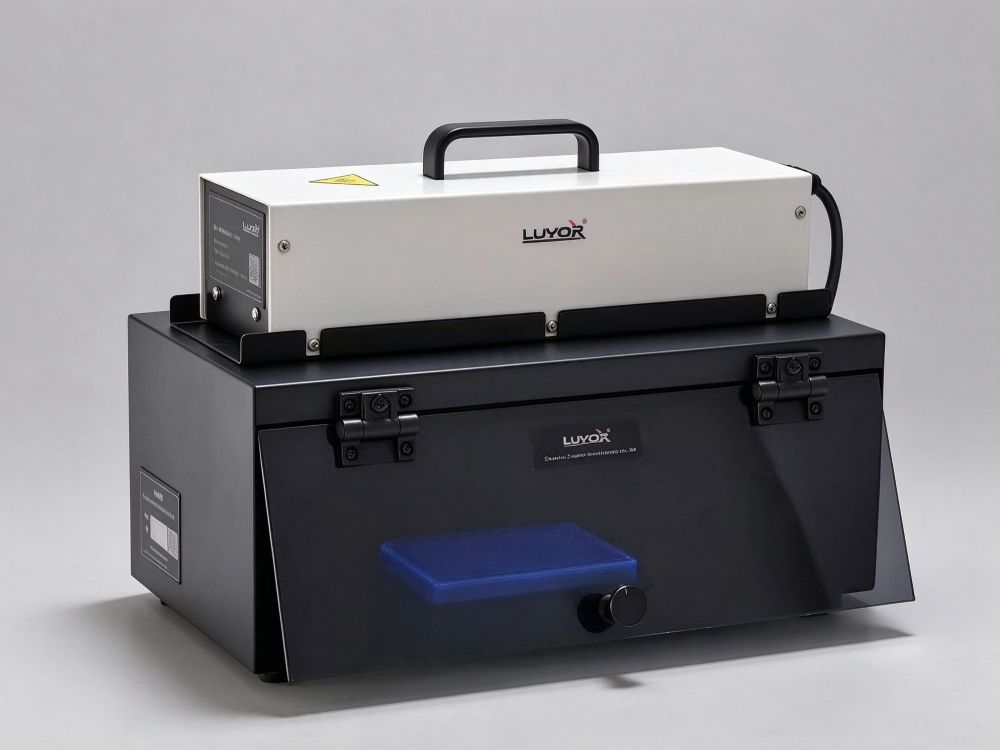
Model: LELMS-38L
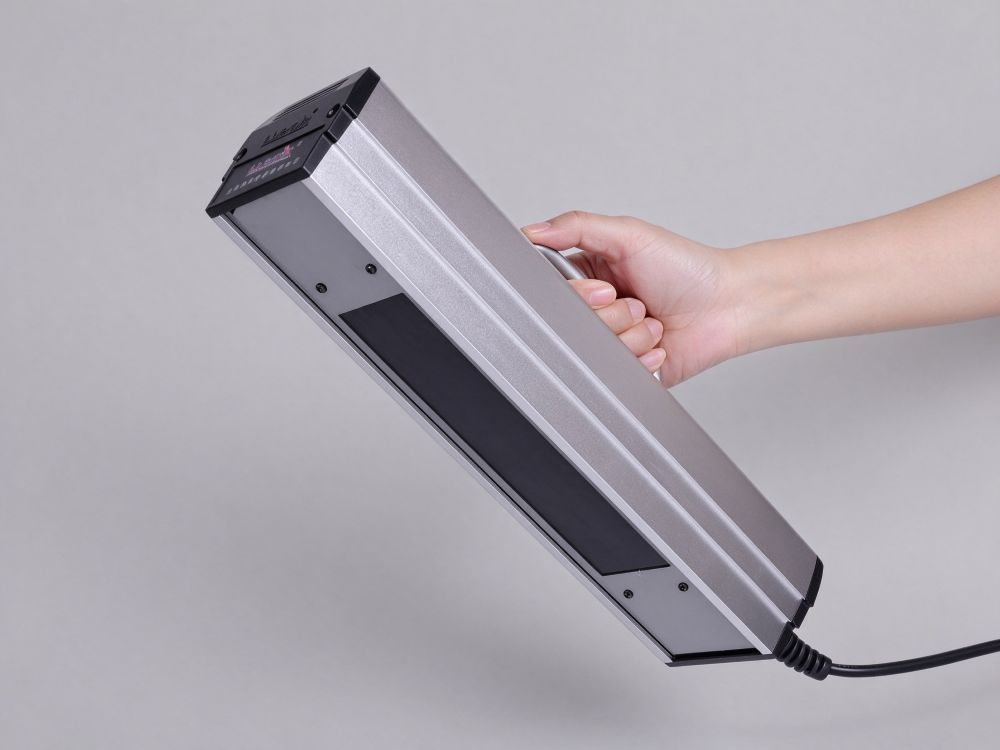
Model: LEAC-280L
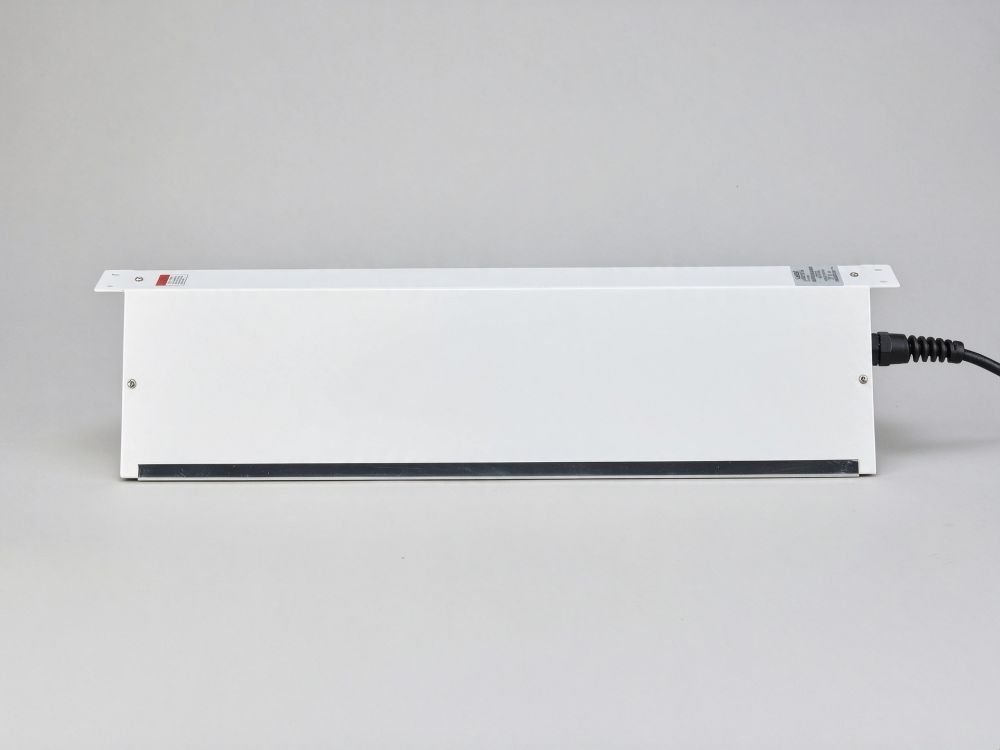
Model: XX-15/XX-20
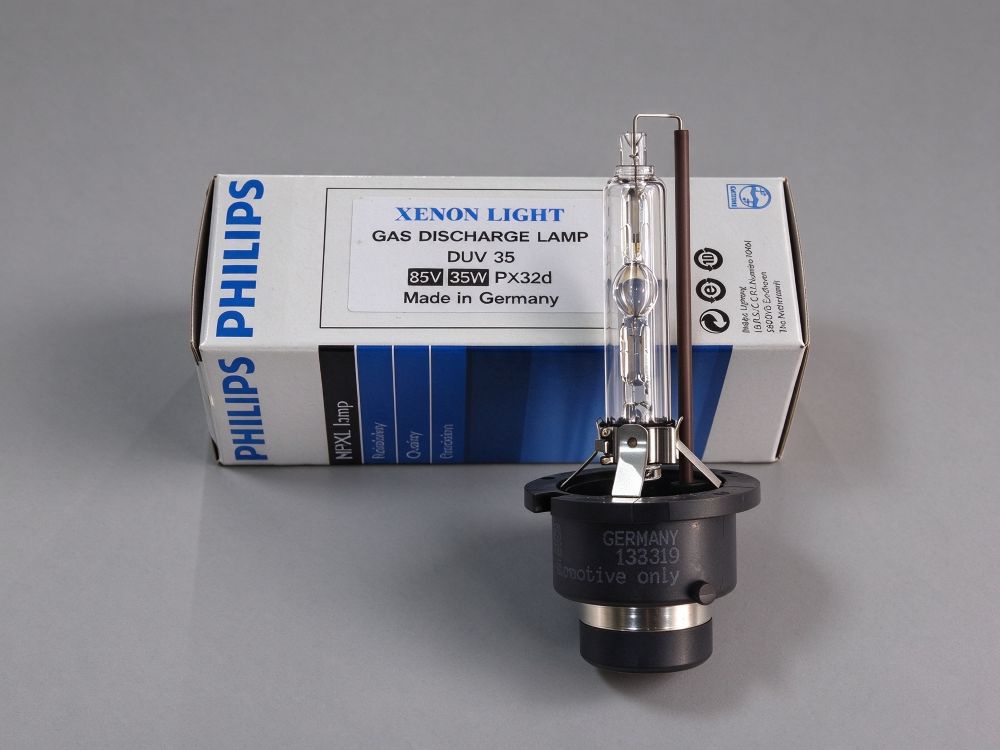
Model: PHILIPS DUV-35W
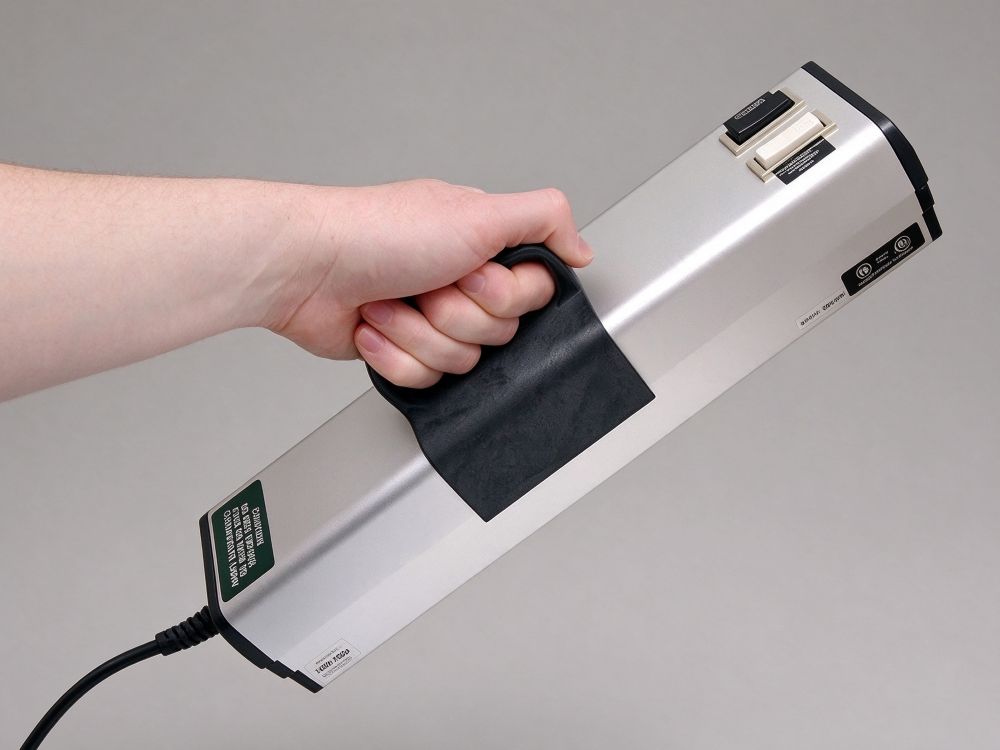
Model: ENF-260C/ENF-280C
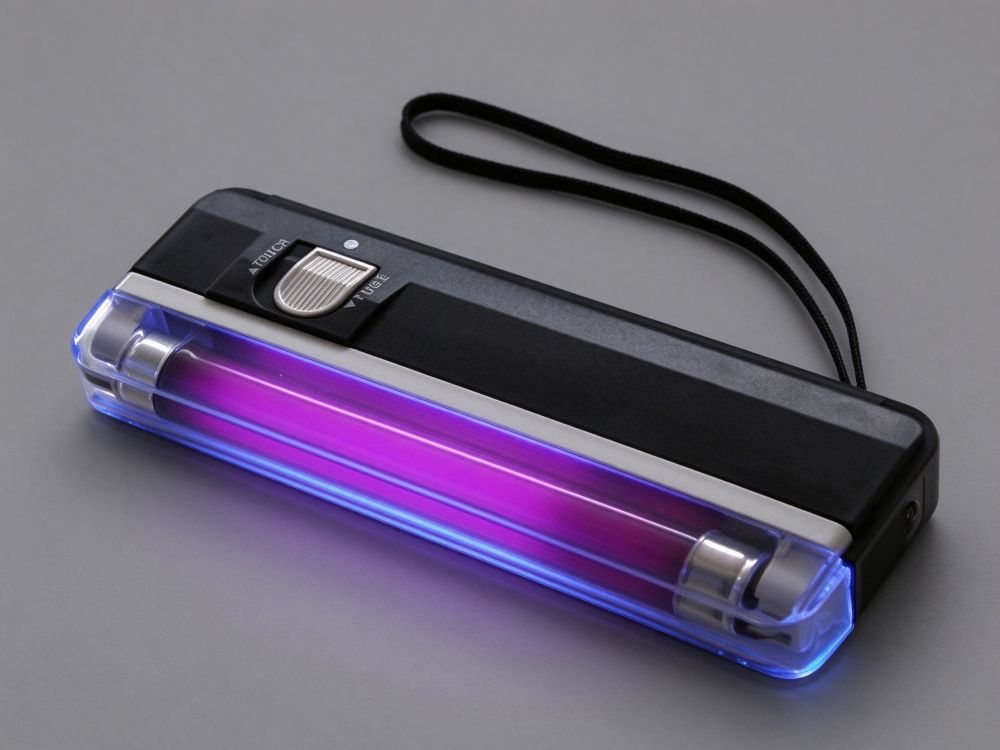
Model: LUV-4B
Almost every decision about a laboratory UV lamp comes down to wavelength: 254nm is used for sterilization, PCR decontamination, and nucleic-acid crosslinking; 302nm is the common wavelength for viewing gels, giving bright bands with less DNA damage than 254nm; 365nm is used for gel excision and recovery, fluorescence observation, photocatalysis, and photopolymerization, and causes the least sample damage. Once the wavelength is settled, choose the form factor according to whether you need a fixed benchtop setup, a portable inspection lamp, or large-area coverage.
| Model | Form Factor | Wavelength | Intensity | Features |
|---|---|---|---|---|
| LUYOR-3405A | Benchtop | 365nm, 20W LED | 19750 μW/cm² (38cm) | Stepless dimming 10–99.9%, 500mm gooseneck, IP65 |
| LUYOR-3109 | Benchtop | 365nm, 9 LEDs | 9000 μW/cm² (38cm) | Uniform 250×250mm beam footprint, IP67, continuous operation |
| LUYOR-3410 | Benchtop | 365nm, 4 LEDs | 6000 μW/cm² (38cm) | Additional 5W white light, 24-hour continuous operation |
| LELMS-38L | Handheld / stand | 254 / 302 / 365nm, three 8W tubes | 1236 / 848 / 1170 μW/cm² (10cm) | Three independent switches, use singly or together |
| LEAC-280L | Handheld | 254+365nm, 8W quartz tube each | — | Aluminum reflector + pure-UV filter, approx. 1kg |
| XX-15 / XX-20 | Suspended tube | 254 / 302 / 365nm selectable | 1650 μW/cm² (25cm, XX-15) | Dual-tube design, short-wave tube can be flipped |
| B-100AP | Lamp head + base | 365nm, 100W | Beam footprint approx. Ø127mm at 457mm | Cool-Touch housing, lamp head rotates 360° |
| LUV-4B | Mini handheld | 365nm, 4W self-filtering tube | — | 198g, approx. 4–6 hours on 4 AA batteries |
The comparison above is compiled from the published specifications on each product page. For the exact configuration, price, and lead time, please refer to the corresponding product page or call the number at the bottom of the page. Xinysun Instruments (Shanghai) Co., Ltd. supplies LUYOR and XEPU instruments for industrial inspection, UV curing and speed measurement.
A laboratory UV lamp is not a single kind of lamp but three kinds of tools across three wavelength bands: 254nm (UV-C) has the highest energy and is used for sterilization, PCR decontamination, and nucleic-acid crosslinking; 302nm (UV-B) is the common wavelength for viewing gels, giving bright bands with less DNA damage than 254nm; 365nm (UV-A) has the lowest energy and is used for gel excision and recovery, fluorescence observation, photocatalysis, and photopolymerization—the gentlest on samples.
So the order of selection is always: fix the wavelength first, then consider the form factor and intensity. Changing the wavelength on a given lamp means changing the tube, but the tube socket, filter, and ballast must be compatible. Triple-wavelength models use independent switches to light each band separately, suiting one instrument for many experiments; the trade-off is that single-wavelength intensity is usually lower than on dedicated models.
1. Assess exposure first: UV radiation clearly harms the eyes and skin, and direct viewing of 254nm must be avoided in particular. Use shielding, a face shield, and gloves when working—avoid exposure whenever possible.
2. Fix the distance before the time: intensity falls with the square of distance, so the difference between 10cm and 38cm is more than tenfold. The μW/cm² on the datasheet is only meaningful when tied to your actual working distance.
3. Preheat for stability: a tube needs several minutes after ignition to stabilize. Preheat before short exposures, otherwise the first few seconds will have higher intensity.
4. Control ozone: ozone-free 254nm tubes use quartz to filter out the 185nm line; ordinary tubes produce ozone in enclosed spaces, so ventilate after use.
5. Record operating hours: tube life is measured by cumulative run time, and intensity has already dropped noticeably near the rated life—replace the tube promptly rather than waiting for it to fail.
The form factor follows the work setting: for stable, long-duration irradiation at a fixed bench, choose a benchtop model; to move between workstations or do on-site inspection, choose handheld; to sterilize an entire work area or cover a large surface, choose a suspended tube.
| Form Factor | Typical Application | Selection Points | Caveats |
|---|---|---|---|
| Benchtop (3405A, 3109, 3410) | Photocatalysis, fluorescence observation, gel-cutting station | Dimming range, gooseneck or stand positioning, beam uniformity | Benchtop models need clearance for heat dissipation and operation |
| Handheld/stand (LELMS-38L, LEAC-280L) | Inspection, localized irradiation, dark-box observation | Wavelength combination, weight, filter | For long handheld use, protect the wrist and eyes |
| Suspended tube (XX-15 / XX-20) | Sterilization of clean benches, biosafety cabinets, and pass boxes | Tube length and mounting-hole spacing, ozone-free or not | Mounting height determines bench intensity—measure it |
| Lamp head + base (B-100AP) | Large-area fluorescence inspection, aging tests | Adjustable head angle, housing temperature | Watch surface temperature during long runs |
Nucleic-acid and protein work: gel viewing (302nm), gel excision and recovery (365nm), membrane crosslinking (254nm).
PCR and cell-room decontamination: surface irradiation of benches, pipettes, and tube racks.
Clean benches and biosafety cabinets: sterilize before and after work, in combination with alcohol wiping.
Photocatalysis and photopolymerization: uniform 365nm irradiation with magnetic stirring and temperature control.
Material aging and fluorescence excitation: photoaging and fluorescence observation of coatings, inks, and adhesives.
Teaching demonstrations: compare all three wavelengths on the same gel or fluorescent sample.
Operation & Interpretation: 5-second UV curing of hydrogel microneedles: balancing shaping and viability of encapsulated live cells, Vanillin rapid-test strip: the 365nm of the LELMS-38L triple-wavelength UV lamp…
Field and Literature Case Studies: Which UV lamp cleaves a PC linker, and for how long? — XX-15 …
Concepts & Principles: Why use a UV lamp to verify pipeline degreasing and cleaning?
Equipment & Maintenance: Luyor UV inspection lamps: a professional choice for cleaning and hygiene monitoring
254nm (UV-C) is used for sterilization, PCR decontamination, nucleic-acid crosslinking, and fluorescence-quenching observation in thin-layer chromatography; 302nm (UV-B) is the common wavelength for viewing gels, with bright bands and less DNA damage than 254nm; 365nm (UV-A) is used for gel excision and recovery, observation of fluorescent proteins and dyes, photocatalysis, and photopolymerization, and causes the least sample damage. A triple-wavelength model covers all of these in one instrument; just switch according to the experiment.
For a fixed bench needing stable, long-duration irradiation, choose a benchtop model (3405A, 3109), where dimming and gooseneck positioning make alignment easy; to move between workstations or do on-site checks, choose handheld (LELMS-38L, LEAC-280L); for large-area bench sterilization covering a whole work zone, choose a suspended tube (XX-15/XX-20)—the aluminum housing can be mounted directly.
LED cold light sources generate almost no infrared, so long exposures do not bake samples the way mercury lamps do—ideal for temperature-sensitive experiments such as photocatalysis and fluorescence observation. Traditional tube models still produce a little heat, so during long runs watch dissipation and chamber temperature. Where temperature must be tightly controlled, use irradiation equipment with a fan or temperature control rather than relying on prolonged direct UV exposure.
Yes, unless the tube is rated ozone-free. Ordinary quartz tubes emit the 185nm line, which converts oxygen in the air into ozone—in a small enclosed space you can smell a distinct fishy odor. Ozone-free tubes use doped quartz to filter out the 185nm line; germicidal power drops slightly, but they can be used in poorly ventilated areas. To check: light the lamp for ten minutes and smell the air, or look for the 'ozone-free/Ozone-free' label in the specifications.
Use a UV radiometer with a calibrated 254nm or 365nm probe, and measure and record at a fixed working distance and fixed point. Once a quarter is advisable, plus a reading after each tube change and reflector cleaning. Replace the tube when intensity falls to about 70% of its initial value—the lamp may still look bright to the eye while its germicidal or crosslinking efficiency is already inadequate.
It is calculated by cumulative operating hours; the common rating is on the order of 1000 hours, but effective life is usually shorter than the rating. Frequent switching accelerates electrode wear, so many short sessions are worse than concentrated use. The simplest life-management practice is to write the cumulative hours on the tube label.
Three layers: physical shielding (barriers, dark box, cabinet door), personal protection (UV face shield or goggles, gloves, covering the forearms), and time control (shorten exposure, avoid looking directly at the tube or reflected light). 254nm damages the cornea quickly—just a few seconds of direct viewing can cause photokeratitis, with symptoms appearing hours later.

Email: info@xinysun.com

Tel: 131-2093-6518

Address: 1525 Minqiang Road, Bldg 26, Songjiang, Shanghai

Copyright 2026 Xinysun Instrument (Shanghai) Co., Ltd. All rights reserved.
ICP:ICP-2026046447




 Products
 Applications
 Industrial Test Instruments


