Products
PRODUCTSReflective tape for laser and photo tachometers: RT12 pre-cut tabs, RT10/RT20 roll strips, HTRT high-temperature tape and RT-Steps zebra discs. Compare widths, temperature limits and pulses per turn.
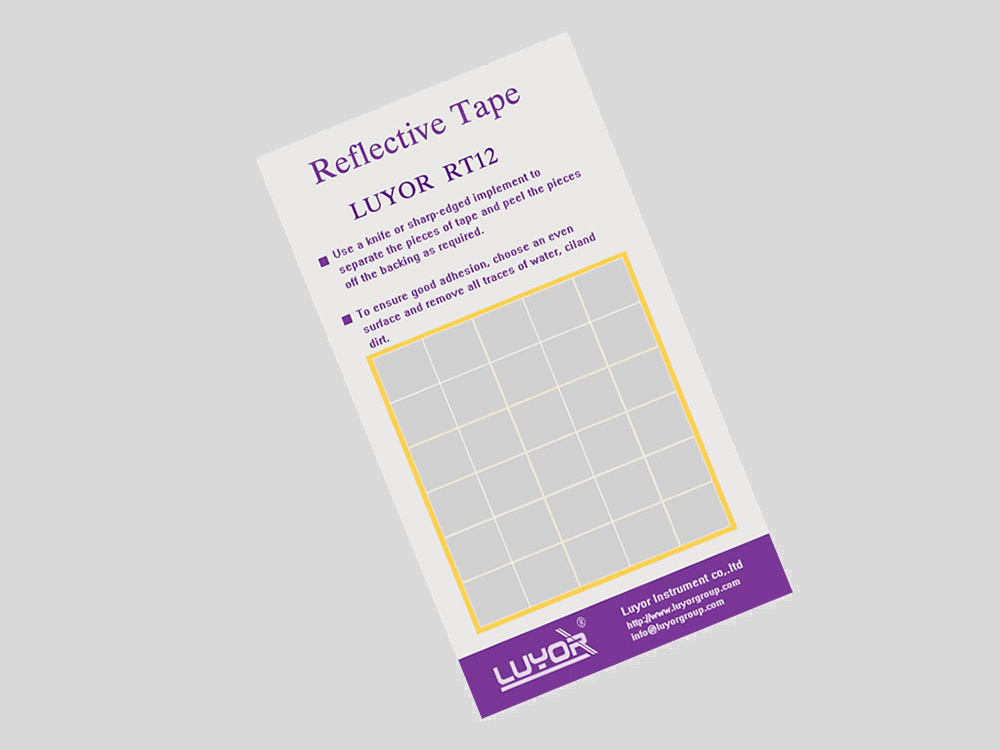
 Model: RT12

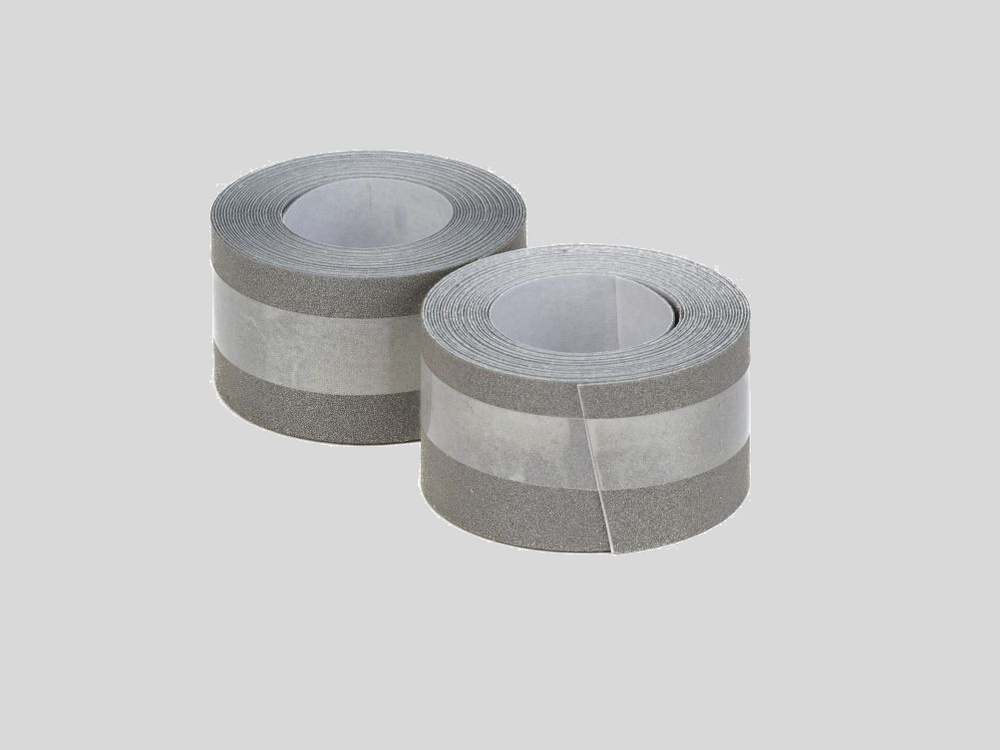
Model: RT10-10/RT20-20
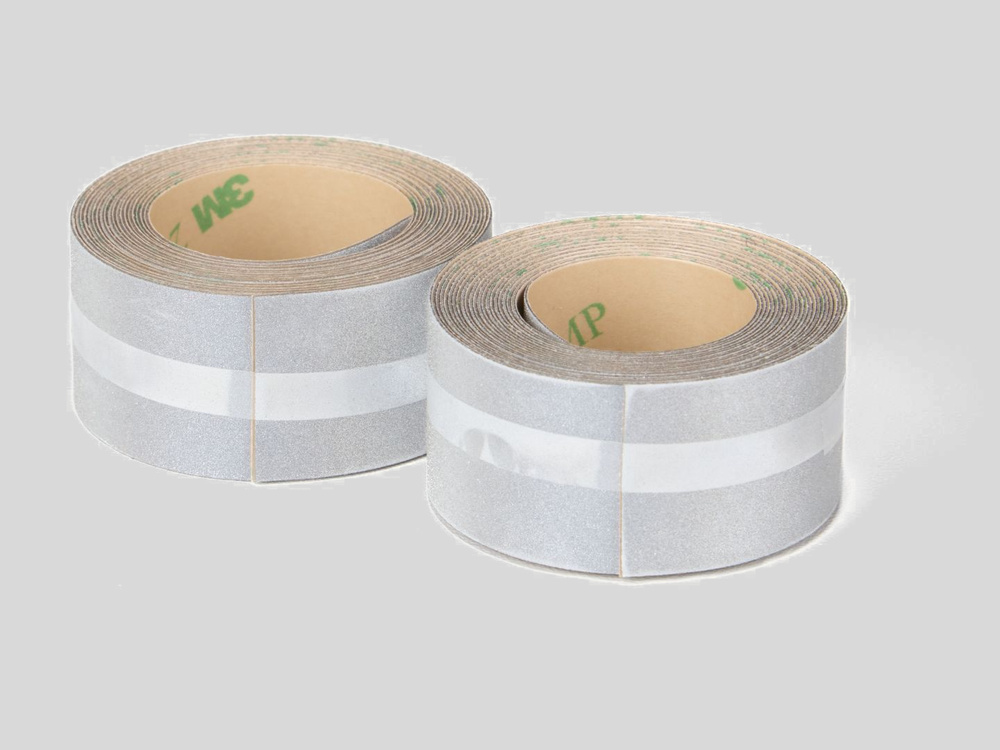
Model: HTRT-2/HTRT-5
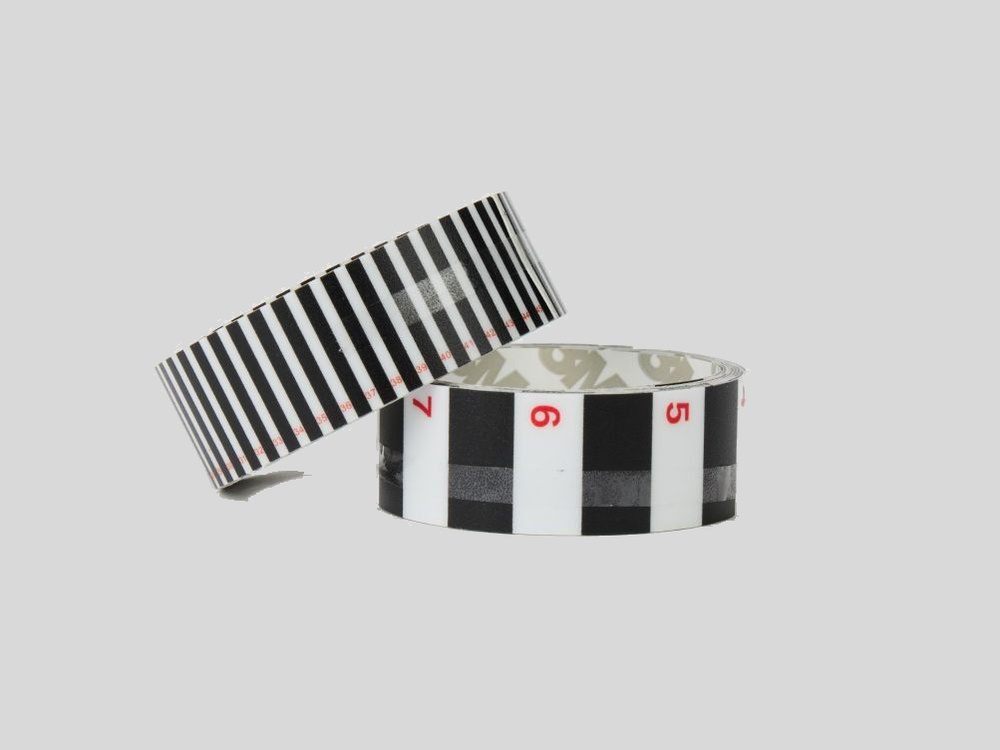
Model: RT-Steps0.5/1/2/5/10;RT-15/36/60/120BW
Laser and photo tachometers count reflected pulses: each target passing the beam sends one strong return signal. Choose the target form after checking surface temperature, standoff distance and pulses per revolution.
| Type | Key specification | Typical use |
|---|---|---|
| RT12 pre-cut tabs | 12 x 12 mm; 10 sheets x 30 pieces | General speed reference marks, peel and stick, one target per turn |
| RT10/RT20 roll tape | 10/15/20/80 mm wide; 2 m rolls, lengths to 100 m | Large rotors, longer standoff, custom cut lengths |
| HTRT high-temperature tape | 120 C continuous; 200 C short term (1 h); -40 C service | Engines, turbines, exhaust sections and heated rollers |
| RT-Steps zebra tape | 0.5-10 mm stripes; 15/36/60/120 division discs | Multiple pulses per turn, phase reference, strobe and stripe counting |
Quick rule: use RT12 for ordinary single marks; RT10/RT20 when custom length or longer standoff is needed; HTRT where surface temperature stays above 100 C; zebra tape when several pulses or a phase mark are required, with the instrument pulse count set to match the divisions.
Most reflective tape failures are mounting problems, not adhesive problems. These five steps make one pack of tape last noticeably longer.
The displayed speed is derived from the pulse frequency: RPM = pulse frequency (Hz) x 60 / pulses per revolution. The pulses-per-revolution value must match the teeth (PPR) setting in the meter, otherwise the reading is off by a whole-number multiple.
| Target type | Pulses per turn | Meter setting | Suits |
|---|---|---|---|
| Single RT12 tab | 1 | PPR = 1 | Routine speed checks, direct reading |
| Single strip from a roll | 1 | PPR = 1 | Large rotors, longer standoff |
| Zebra disc, 36 divisions | 36 | PPR = 36 | Higher pulse density at low speed |
| Zebra disc, 120 divisions | 120 | PPR = 120 | Very low speed, strobe stripe counting |
| Zebra tape, one reference band | 1 | PPR = 1 | Phase reference for strobe observation |
Use multiplication or division only when the meter supports it and the target count cannot be changed on site. If you can change the tape, change the tape: multiplying also amplifies noise pulses and can produce a falsely high reading at low speed.
Work through consumable, mounting, sensor, then meter. Most problems are solved at the first step:
Re-use is not advised. Adhesive picks up dust after removal, and edges can lift at speed. Treat reflective tape as a consumable and keep spare sheets on hand.
The instrument assumes one mark equals one revolution. Two similar marks create two pulses per turn and the reading approaches twice the true speed. Use zebra tape when multiple pulses are intended.
Not necessarily. 10 mm suits small shafts and high speeds; 20 mm or 80 mm suits large rotors, rough surfaces and longer standoff. Match the width to the beam spot and measuring distance.
Ordinary tape can be tested after pressing out air bubbles. HTRT reaches its stated peel strength after 72 hours; press out bubbles and ramp gradually to the operating temperature when time is short.
The standard RT series is designed for ambient conditions; keep the continuous surface temperature below 80 C. Above 100 C, use the HTRT grade: 120 C continuous, 200 C short term (up to 1 hour), with no cracking at -40 C. Near the upper limit, warm and press the tape before service so the adhesive wets out fully.
For a quick low-speed check it can work, but not for production monitoring. Paper and ordinary tape return far less light than retro-reflective film, so the signal drops out as soon as the standoff increases. Uneven surface texture also makes pulse widths inconsistent.
Further reading: Speed measurement solutions | Stroboscope guide: 10 questions | Tachometer sensors | LED stroboscopes

Email: info@xinysun.com

Tel: +86-131-2093-6518

Address: 1525 Minqiang Road, Bldg 26, Songjiang, Shanghai

Copyright 2026 Xinysun Instrument (Shanghai) Co., Ltd. All rights reserved.
ICP:ICP-2026046447




 Products
 Applications
 Industrial Test Instruments


