Products
PRODUCTS Breadcrumb: Home > Products > Life Science Instruments > UV Crosslinkers
UV crosslinker selection: LUYOR UCL-3200/UCL-3500 and UVP CL-3000 compared, with 254/302/365 nm wavelengths, energy mode, chamber and safety interlock, for nucleic acid membrane crosslinking, PCR contamination control and UV mutagenesis. In stock in Shanghai.
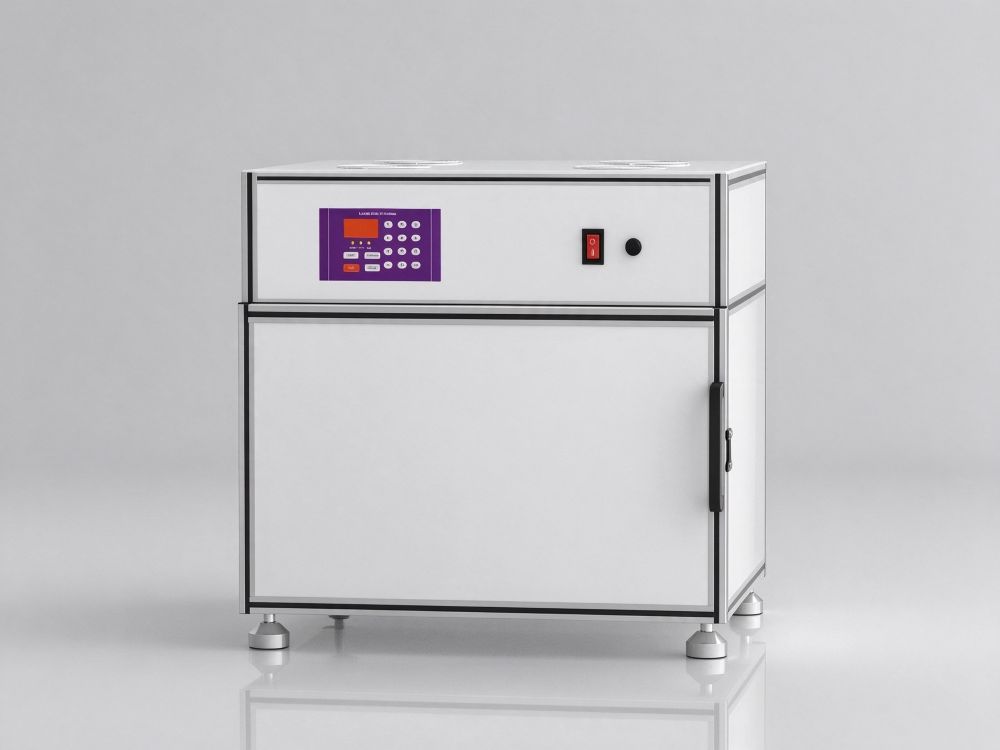
 Model: LUYOR-3550

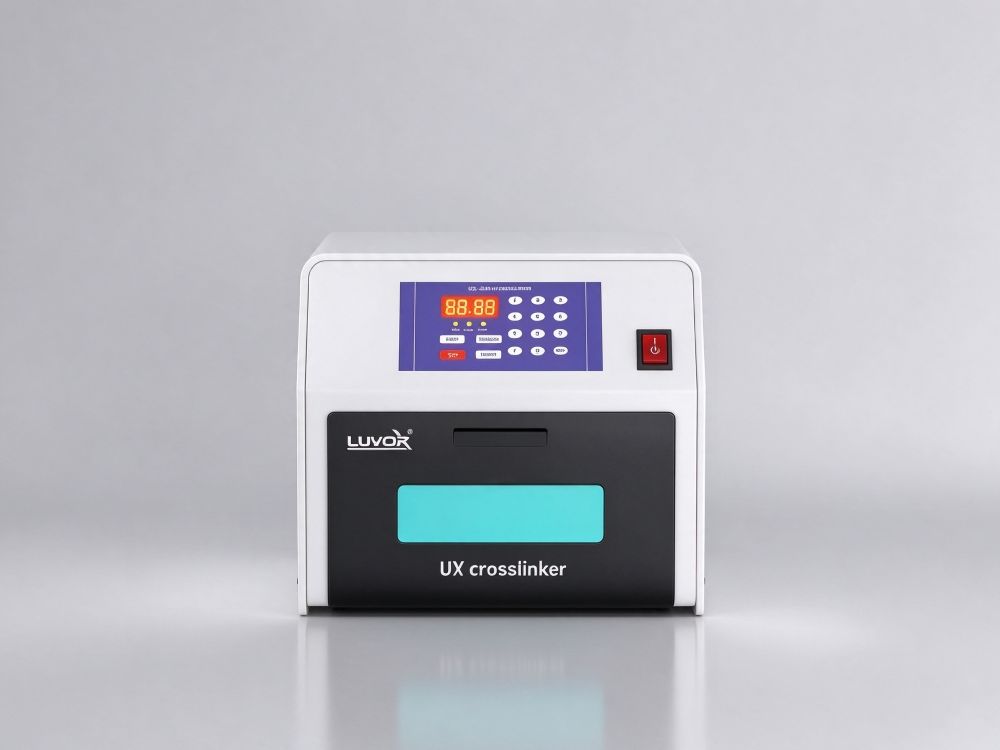
Model: LUYOR UCL-3200
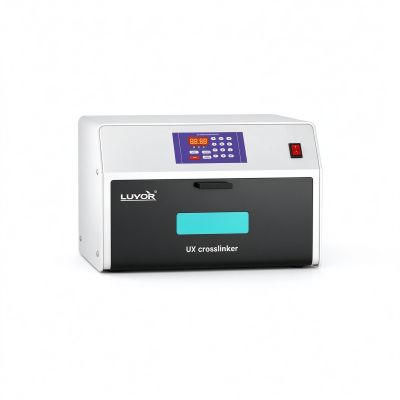
Model: LUYOR UCL-3500
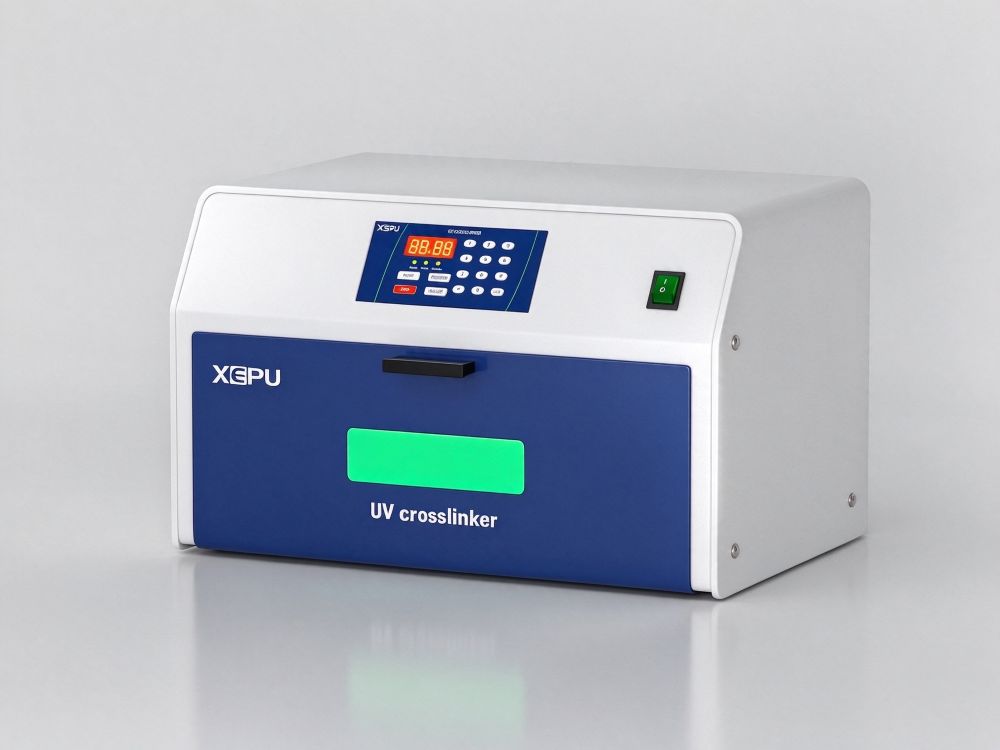
Model: XEPU-1215
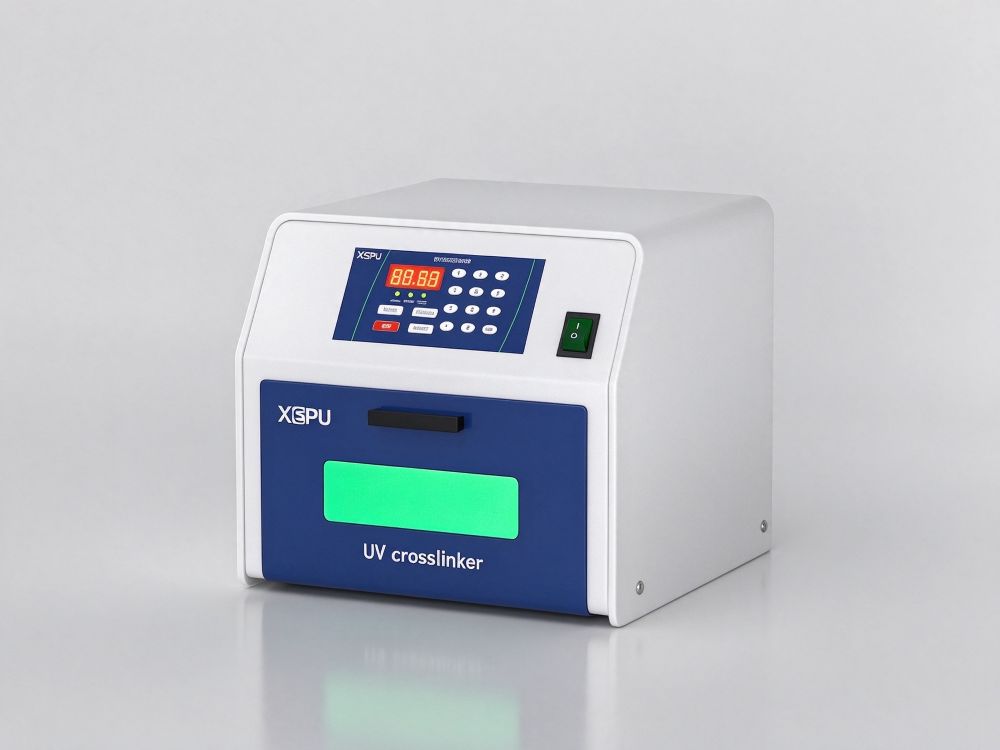
Model: XEPU-1208
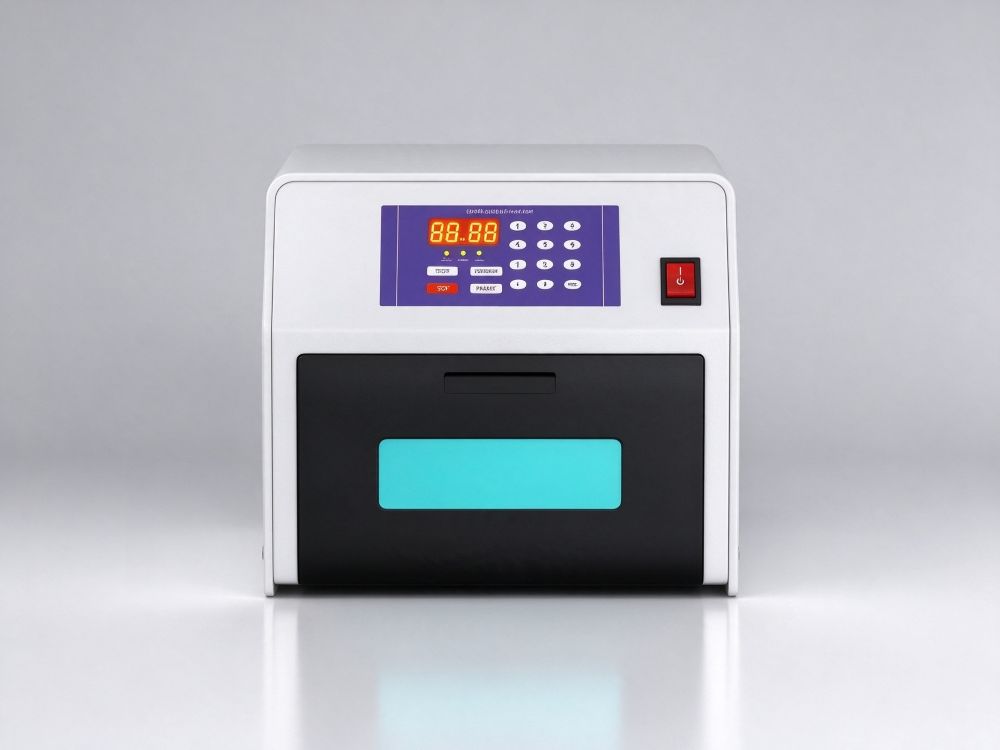
Model: LUYOR-3450
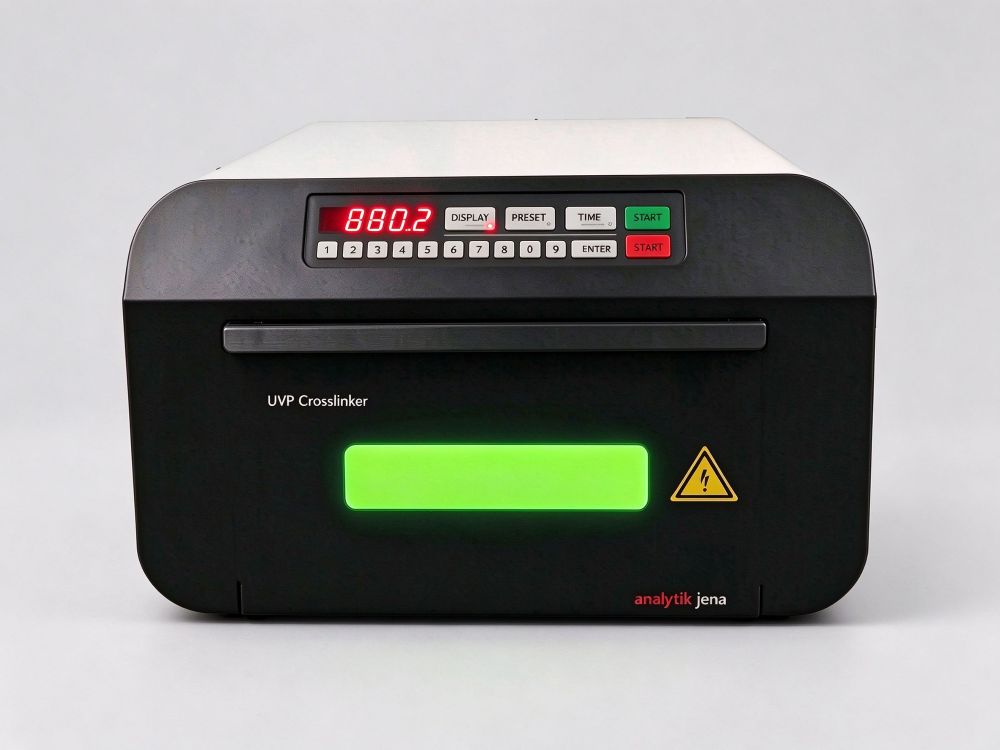
Model: UVP Crosslinker CL-3000
Crosslinking performance depends on the actual UV dose delivered to the sample (mJ/cm² or J/cm²), not on exposure time. Lamps degrade with use, and the power supply and temperature also fluctuate, so "irradiating for 30 seconds" can deliver very different doses on different machines or at different points in a lamp's life. The right selection order is: first confirm whether you need an energy (dose) mode, then check whether the chamber can accommodate your membranes and sample throughput, and only then consider brand and budget.
| Model | Brand / Origin | Lamps | Chamber (Interior) | Energy Control |
|---|---|---|---|---|
| LUYOR UCL-3200 | LUYOR (USA) | 6×8W, 254nm (switchable to 302/365nm) | 32×26×15 cm | 0–9.999 J/cm², real-time integration, 9 presets |
| LUYOR UCL-3500 | LUYOR (USA) | 6×15W, 254nm (switchable to 302/365nm) | 44×34×15 cm | 0.000–9.999 J/cm², 9 presets |
| UVP CL-3000 | UVP (USA), Analytik Jena | 6×8W, 254nm (302/365nm versions also available) | 35×27×16 cm | 0.1–9999.9 mJ/cm², sensor compensation for lamp aging |
| XEPU-1208 | XEPU (China) | 6×8W, 254nm (switchable to 302/365nm) | 32×26×15 cm | Time / energy / preset modes, 9 presets |
The comparisons above are based on publicly available specifications. For exact configuration, pricing and lead time, please refer to the individual product pages or call the number at the bottom of this page. Xinyisheng is an authorized distributor in China for the imported brands listed above and does not manufacture these instruments.
After membrane transfer, nucleic acids are merely "stuck" to the membrane surface and can be washed off. A UV crosslinker irradiates with 254nm short-wave UV, causing adjacent thymines to form cyclobutane dimers that covalently bind to the positively charged groups on a nylon membrane, permanently fixing the nucleic acids in place. Only when the fixation is secure can you use stringent conditions for prehybridization and washing.
The decisive parameter is dose, not time. Dose (mJ/cm²) = UV intensity × exposure time; as a lamp ages its intensity drops, so the same 30-second exposure may deliver only half the dose of a new lamp. When choosing a model, look first for an energy (dose) mode and an in-chamber sensor, and only then at chamber size and lamp power.
1. Wetting: Before crosslinking, wet the membrane with 2×SSC or a buffer to avoid uneven local absorption on a dry membrane; after wetting, gently blot off excess liquid — it should not be dripping.
2. Set the dose: A typical starting point for nylon membranes is 120 mJ/cm² (0.12 J/cm²). Establish a baseline in energy mode rather than relying on the rule of thumb of "irradiating for 30 seconds".
3. Placement: Lay the membrane flat, face up, in the center of the chamber; remove bubbles and wrinkles, and keep the edges away from the hottest spot directly beneath the lamps.
4. Run and read the actual value: The accumulated dose shown by the instrument is the effective dose; if the set value and the actual value differ, go with the actual value.
5. Record: Write the dose, wavelength and accumulated lamp hours into your lab notebook so you have a reference when you replace a lamp or encounter an abnormal signal.
Set them in this order: choose the wavelength first, then check whether the chamber can accommodate your membranes, and finally decide whether you need an energy mode.
| Parameter | How to Set It | Consequences of Getting It Wrong |
|---|---|---|
| Wavelength | Use 254nm for nucleic acid membrane crosslinking; 302nm for thicker membranes or deeper crosslinking; 365nm when working with photosensitive dyes | Using 365nm for routine membrane crosslinking gives an insufficient dose and a weak signal |
| Dose Mode | Prefer an energy mode (J/cm² or mJ/cm²) with an in-chamber sensor | A pure time mode silently delivers less dose as the lamp ages |
| Chamber Size | Allow 2-3cm of clearance beyond your largest membrane, and check that the chamber height can accommodate hybridization tubes or trays | A 44×34cm chamber gives you comfortable room for a 20×20cm membrane |
| Lamp Power and Quantity | 6×8W suits routine hybridization membranes; 6×15W suits larger chambers and rapid crosslinking | If power is insufficient you have to compensate with longer exposure, which degrades uniformity |
- Southern / Northern / Dot blot: Fixing nucleic acids after membrane transfer — the primary use of a crosslinker.
- PCR and sequencing preprocessing: Irradiate benchtops, tube racks and consumables to degrade residual amplification products and control contamination.
- Colony and cell fixation: Immobilize microorganisms or cells on membranes/slides for subsequent hybridization or staining.
- UV crosslinking of tissue sections: Replace some chemical fixation steps while preserving antigenicity.
- Photosensitive crosslinking experiments: Use psoralen-type reagents for sequence-specific nucleic acid crosslinking.
- Materials and coatings: Small-area UV curing and controlled irradiation before surface modification.
- Selection and Brands: UV Crosslinker FAQ: Uses, Selection, Differences from Ovens and Operating Workflow, How to Choose a UV Crosslinker vs. a Fluorescent Protein Excitation Light Source? A Guide to UV and Fluorescence Tools for Life Science, How to Choose a UV Crosslinker Wavelength: 254/312/365nm Applications and Models…, How to Choose a UV Crosslinker? LUYOR/UVP/Spectro-UV/XE…
- Operation and Interpretation: How to Perform UV Irradiation in Bacterial and Cell Culture: Band Selection and Dose Calculation
A UV crosslinker is a closed chamber that irradiates from above with 254nm short-wave UV (some models irradiate from both above and below) to deliver a controlled energy dose to nucleic acids or proteins on a membrane, crosslinking and immobilizing the sample; the key metric is reproducible dosing. A UV transilluminator is an open bench-top surface with UV transmitted from below, used mainly for on-bench viewing, gel excision and documentation; its key metrics are illumination uniformity and ease of use. The two are not interchangeable: using a transilluminator to irradiate for a while for membrane crosslinking gives an uncontrolled dose and poor reproducibility.
254nm (UV-C) is the standard wavelength for nucleic acid membrane crosslinking and offers the highest crosslinking efficiency; it is used for Southern, Northern and Dot blot as well as PCR contamination control. 302nm (UV-B) penetrates slightly better and suits thicker membranes or applications needing deeper crosslinking. 365nm (UV-A) has lower energy and is mainly used with photosensitive dyes (such as psoralens) for specific crosslinking, or for experiments where DNA damage must be avoided. Most models support wavelength switching by changing lamps, so confirming switchable wavelength is more economical than buying an extra instrument.
Use energy mode whenever possible. The problem with time mode is lamp degradation: a new lamp and a two-year-old lamp may deliver very different actual doses for the same 30-second exposure, with no visible difference — you will simply notice the hybridization signal weakening and the background rising year after year. Energy mode uses an in-chamber sensor to integrate intensity in real time and stops automatically when the set dose is reached; as the lamp dims, the exposure time is extended automatically. Use time mode only when you need to match the fixed seconds of an older protocol or when the protocol itself is defined by time.
A typical starting point for nylon and nitrocellulose membranes is 120 mJ/cm² (i.e., 0.12 J/cm²), which is also where most labs' auto-crosslink default sits. If the signal is weak you can increase to 150–200 mJ/cm², but do not raise it blindly: over-crosslinking binds nucleic acids too tightly to the membrane and reduces the binding efficiency of subsequent hybridization probes, paradoxically lowering the signal. Establish a baseline at 120 mJ/cm² first, then run a dose gradient with the same membrane lot and record the optimal dose in your lab notebook.
Don't judge by whether the lamp still lights up. The optical output of a UV lamp declines continuously and is invisible to the eye. The criterion is whether the time needed to reach the target dose has clearly increased: if, at the same dose setting, the required time is now more than twice the original record, the lamp has degraded to the point of replacement. Models with real-time integration and a sensor compensate automatically, so you will only see the time getting longer; models without integration silently deliver less dose. It is a good idea to record the seconds required for 120 mJ/cm² as a baseline when the instrument is new and compare annually thereafter.
Under-crosslinking shows up as an overall weak signal after washing with a relatively high background, because the nucleic acids are not firmly bound and are removed unevenly during washing. Over-crosslinking also gives a weak signal, but here the nucleic acids are bound too tightly for the probe to access. Distinguish the two by running a dose gradient (80, 120, 160, 200 mJ/cm²) with the same membrane lot and locating the signal peak, rather than repeatedly adjusting based on a single result.
A lamp with matching mechanical dimensions and electrical connector can be used as a replacement, but you must confirm three things: wavelength (254nm and 302nm lamps look alike — do not mix them up), power and lamp-holder specification, and whether a filter coating is included. After replacement, re-measure the intensity with a radiometer or the instrument's internal sensor and note the replacement date in your records; otherwise historical dose data cannot be compared.
First measure the actual interior height (around 15cm on most models), then calculate the total height of the item you need to place inside. Hybridization tubes require additional supports that many models do not offer; if you need to rotate the sample while irradiating, choose a dedicated crosslinker with a rotating platform rather than forcing it into a flat chamber. Labs with large membranes or high sample throughput should choose a model one chamber size larger to avoid being constrained when membrane formats change.
Yes, but the object to calibrate is the dose sensor, not the lamp. Once a year, use a traceable UV radiometer to check the intensity at the center plane of the chamber and compare the instrument's displayed value with the external measurement; if the deviation exceeds 10%, contact the manufacturer to adjust or replace the sensor. Dose data without calibration records cannot be traced during publication or audit.

Email: info@xinysun.com

Tel: 131-2093-6518

Address: 1525 Minqiang Road, Bldg 26, Songjiang, Shanghai

Copyright 2026 Xinysun Instrument (Shanghai) Co., Ltd. All rights reserved.
ICP:ICP-2026046447




 Products
 Applications
 Industrial Test Instruments


