
Products
PRODUCTS Breadcrumb: Home > Products > Life Science Instruments > Irradiation Systems
Laboratory irradiation systems include the LUYOR-3450 cell phototoxicity irradiator, LUYOR-3550 UV irradiation chamber and LUYOR-3480 microplate cell irradiator, covering 3T3 NRU phototoxicity tests, UVA/UVB/UVC dose-controlled exposure and in vitro optogenetic stimulation, with chambers from 96-well plates to large samples and built-in sensors that stop by dose. In stock in Shanghai with selection support.
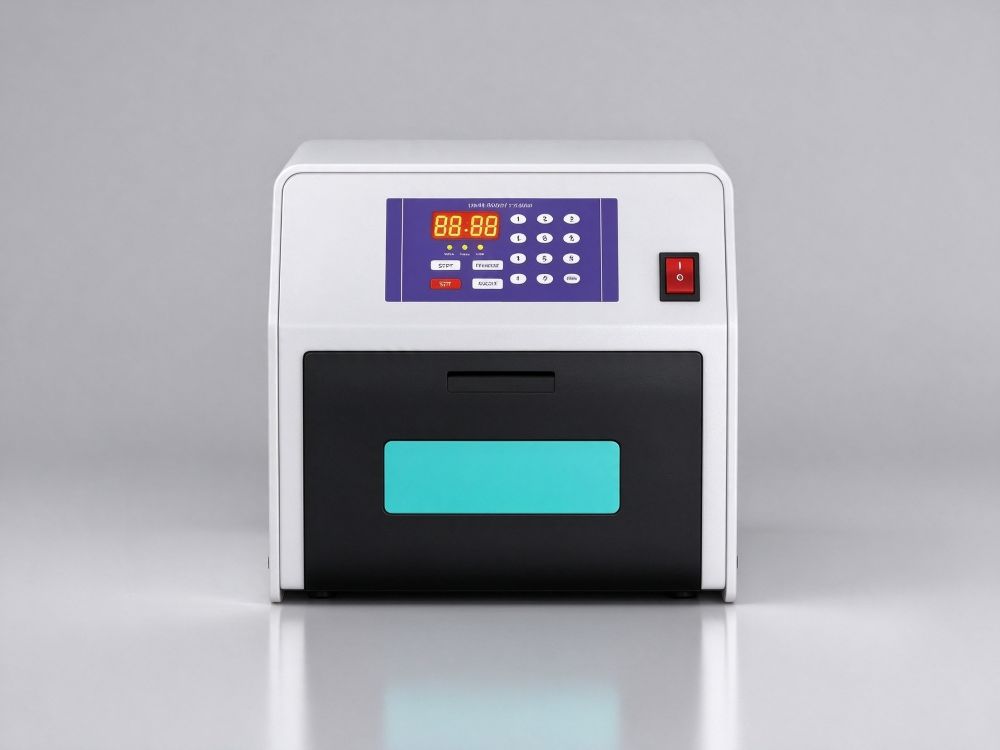
 Model: LUYOR-3486

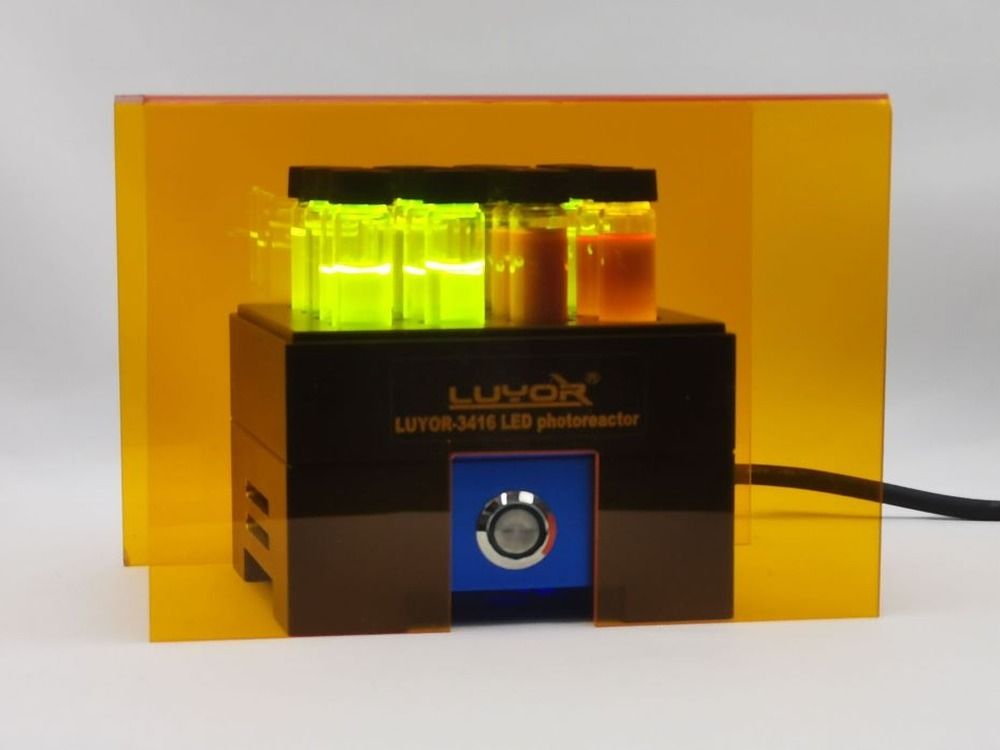
Model: LUYOR-3416
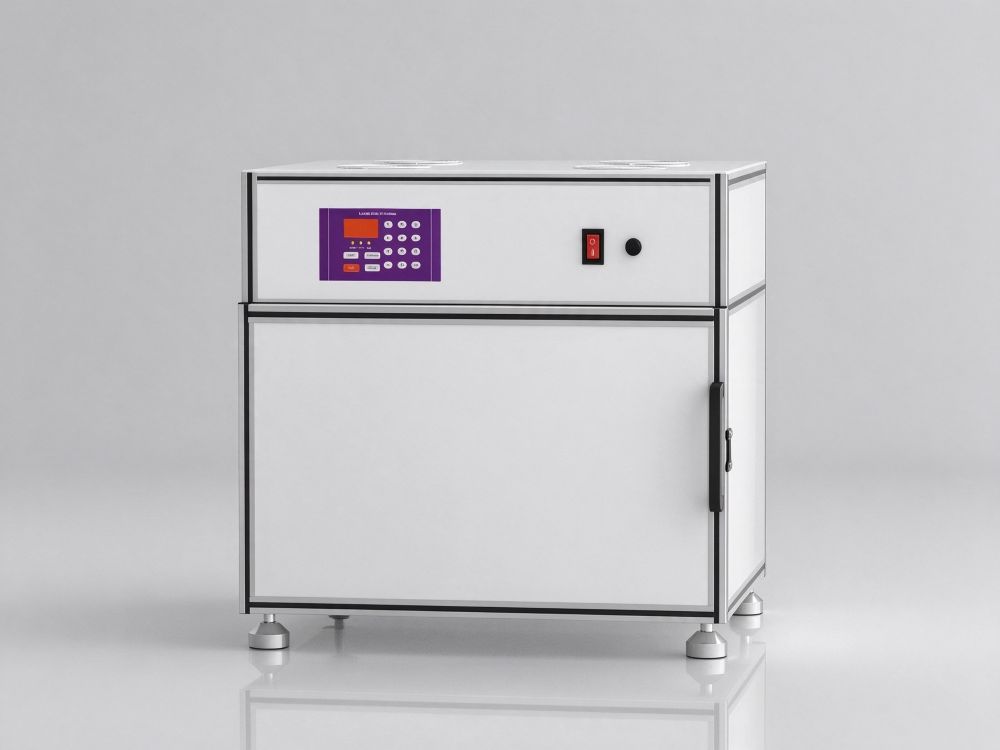
Model: LUYOR-3550
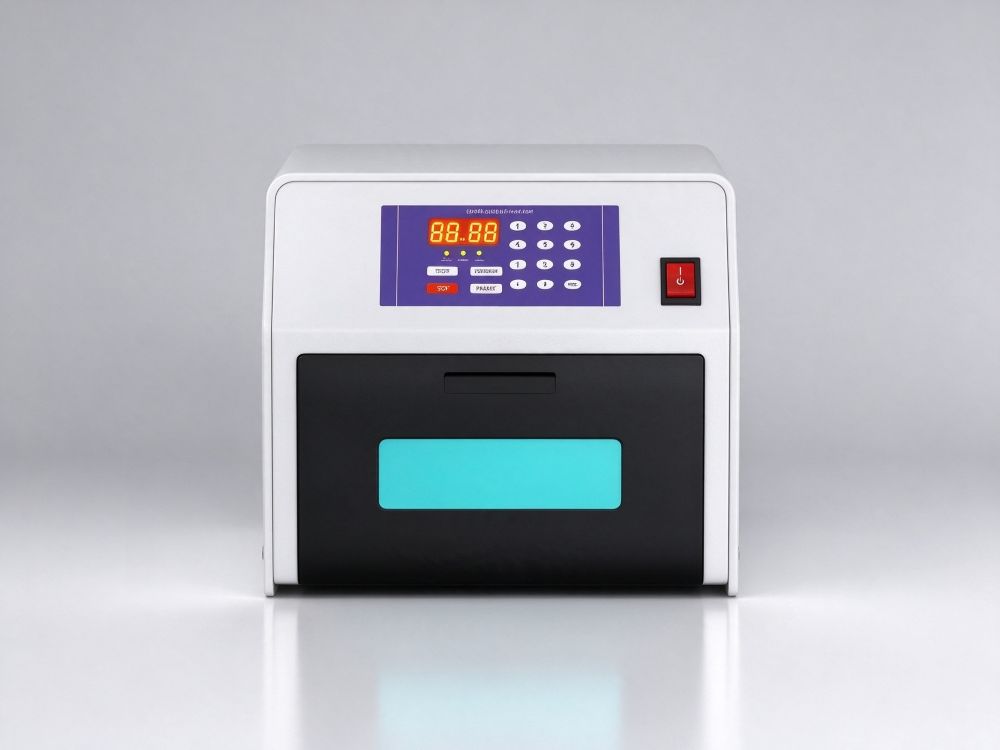
Model: LUYOR-3450
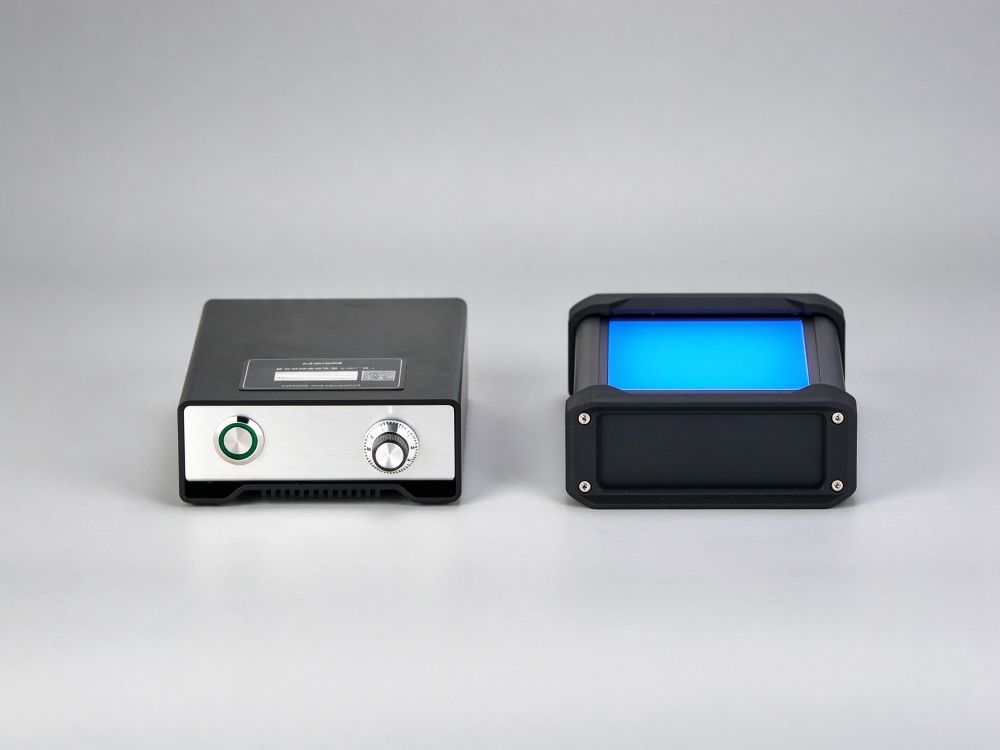
Model: LUYOR-3480
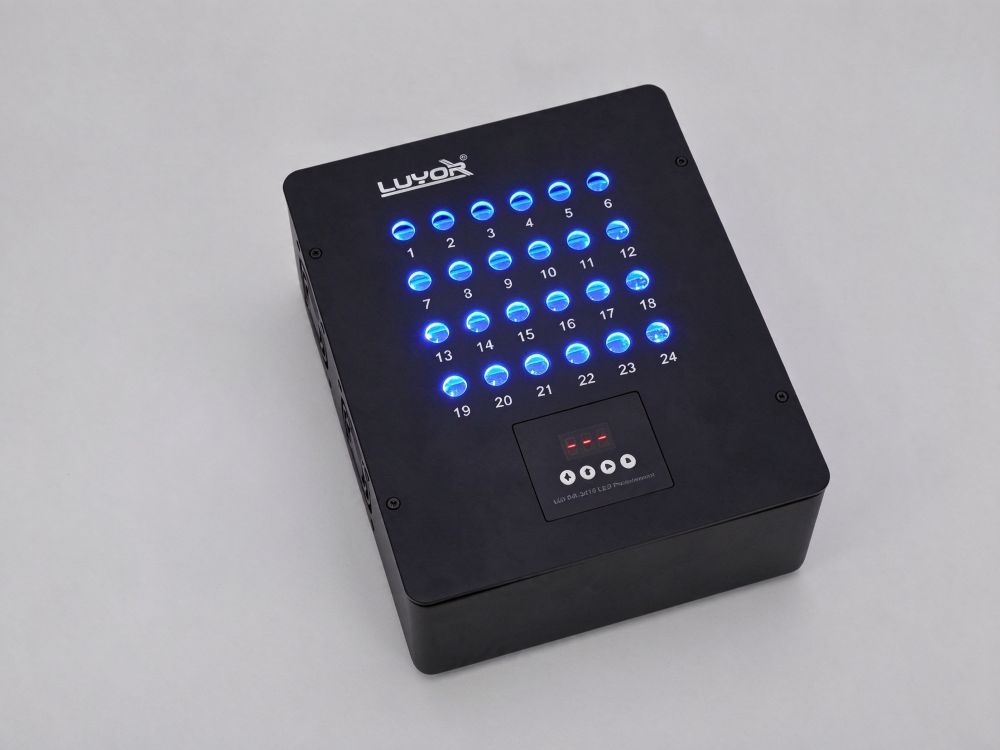
Model: LUYOR-3419PMA
The key specifications of irradiation equipment are a reproducible dose and controllable sample temperature—not how bright the lamp is. When designing an experiment, confirm three things first: the sample format (membrane, 96-well plate, reaction tube, or a full sample panel) determines the chamber size; the response wavelength (254nm for crosslinking, 365nm for photocatalysis, visible light for synthesis) determines the light source; and the irradiation duration determines whether thermal effects must be kept below 37℃. Once these three are settled, the model is essentially determined.
| Model | Primary Application | Wavelength & Light Source | Chamber / Sample Capacity | Energy Control |
|---|---|---|---|---|
| LUYOR-3486 | LED multipurpose irradiation | 365–525nm customizable, 44 × 3W LEDs | Large irradiation chamber for multiple parallel sample sets | 25mJ/cm²–99.99J/cm²; 0–599.5 min |
| LUYOR-3416 | For collimated photochemical reactions | 365–610nm selectable, 4 × 4 = 16 channels | 16 channels; accommodates a magnetic stirrer | Irradiance 200mW/cm² |
| LUYOR-3550 | UV irradiation chamber | UVA / UVB / UVC optional, 20 × 15W | 68 × 55 × 32cm, platform 67 × 52cm | 7 / 2.4 / 8mW/cm², closed-loop sensor control |
| LUYOR-3450 | 3T3 NRU phototoxicity assay | 4 × 365nm 8W tubes | 2 × 96-well plates | 0.025–99.99J/cm²; 0–599.5 min |
| LUYOR-3480 | Microplate cell irradiation | 365–808nm selectable | 6/12/24/48/96-well plates | Adjustable intensity and time; chamber below 37℃ |
| LUYOR-3419PMA | PMA / EMA photoactivation | 465–475nm, 96 blue LEDs | 24 × 1.5–2ml sample tubes | Illumination 1–999 min |
| UVP HB-1000 | Molecular hybridization (temperature controlled) | — (constant-temperature shaking) | 20 × 35 × 150mm hybridization tubes | Room temperature +10 to 99.9℃, accuracy 0.5℃ |
The comparison above is compiled from the published specifications on each product page. For the exact configuration, price, and lead time, please refer to the corresponding product page or call the number at the bottom of the page. Xinysun Instruments (Shanghai) Co., Ltd. supplies LUYOR and XEPU instruments for industrial inspection, UV curing and speed measurement.
The real variable in a photoirradiation experiment is not 'how long it was irradiated' but the dose the sample actually receives: dose (J/cm²) = irradiance (mW/cm²) × time (s) ÷ 1000. An irradiation system must keep the intensity stable, the timing accurate, and the sample temperature under control, so that all three are reproducible and the results can be written into a method and repeated by others.
So the selection sequence is: first fix the response wavelength (254nm for crosslinking, 365nm for photocatalysis, visible light for synthesis), then confirm whether the chamber can hold the sample and the number of parallel groups, and finally decide whether the chamber temperature needs to be kept below 37℃. Once these three are settled, the model is essentially determined.
1. Set the wavelength: choose the band according to the absorption peak of the photosensitizer or material—don't settle for 'white light works too.'
2. Set the dose: first run a gradient in energy mode (e.g., 25, 50, 100 mJ/cm²), identify the effect window, and then fix it—don't choose the duration by guesswork.
3. Control the temperature: check both the chamber temperature and the sample temperature. When 37℃ is required, use a model with temperature control or one that can be placed inside an incubator.
4. Check uniformity: place identical samples in different wells of the same plate as controls. If edge and center differ markedly, adjust the placement or switch to collimated light.
5. Record everything: wavelength, intensity, dose, temperature, irradiation duration, and cumulative lamp hours—omit none of them.
The three constrain one another: the larger the chamber, the harder it is to achieve uniformity; the stronger the light source, the harder it is to control temperature. So strike a balance based on your sample throughput.
| Requirement | Key Parameters | Selection Tip |
|---|---|---|
| Membrane crosslinking, phototoxicity | 254/365nm, dose 0.025–99 J/cm² | Prefer energy mode with an in-chamber sensor |
| 96-well plates, multiple parallel sets | Uniform illumination across the whole plate, chamber temp <37℃ | Watch for edge-well evaporation and temperature gradients |
| Photocatalysis, photosynthesis | 365–610nm selectable, with magnetic stirring | 16 parallel channels let you run multiple conditions at once |
| Long-term cell stimulation | Light head fits inside an incubator | Verify cable length and sealing |
Phototoxicity assessment: the 3T3 NRU assay, and safety screening of sunscreens and cosmetic ingredients.
Photocatalysis and photosynthesis: visible-light-induced reactions, reaction-condition screening (Filter), and pre-scale-up validation.
Photodynamic applications and photosensitizers: photosensitized inactivation of cells and microorganisms.
PMA/EMA photoactivation: distinguishing live from dead bacteria, and pre-treatment for qPCR.
Material aging: controlled photoaging of coatings, plastics, and adhesives.
Optogenetics and organoids: long-term optical stimulation with low heat load.
Operation & Interpretation: How to perform UV irradiation of bacterial and cell cultures: band selection and dose calculation, How to use UV irradiation chambers and microplate light-stimulation sources? 10 frequently asked questions answered
Field and Literature Case Studies: How to perform cell irradiation: applications of the LUYOR-3450 in phototoxicity and photosensitizer evaluation…, UV-radiation crosslinking of nanofiber membranes: the UCL-3200 in electromagnetic shielding material preparation…, Visible-light-induced stereoselective synthesis of C-glycosides: photochemical reactions with the LUYOR-3416…
Cells and protein samples are temperature-sensitive, and residual heat from lamps and LEDs warms the chamber, mixing the variables of illumination and heat so the results cannot be attributed. Models with fan-based temperature control rated below 37℃ inside the chamber (such as the 3486, 3480, and 3450) suppress the thermal variable, which is especially important for phototoxicity, photocatalysis, and optogenetics experiments.
Prefer energy mode, in mJ/cm² or J/cm². Light sources degrade with use: for the same 30-minute exposure, a new tube and an aged tube can deliver very different actual doses, with no visible difference. Energy mode integrates in real time using an in-chamber sensor and stops automatically when the set dose is reached, making the dose reproducible and reportable in a paper's methods section. Time mode should only be used when you need to match the fixed duration of an earlier publication.
It depends on whether you need to place the plate inside an incubator for long-term irradiation. The 3450 is purpose-built for the 3T3 NRU phototoxicity assay and holds two 96-well plates flat, with the chamber below 37℃. The 3480's light head connects via a 2-meter cable and can be placed in a 37℃ incubator, making it suitable for long-term stimulation in stem-cell differentiation, organoid, and optogenetics work. Both provide uniform illumination across the whole plate; the choice mainly comes down to irradiation duration and whether in situ culture is required.
Cells and proteins are temperature-sensitive, and residual heat from the light source warms the chamber, so photobiological and thermal effects become mixed and results cannot be attributed. For phototoxicity, photocatalysis, and optogenetics experiments, only models with temperature control or that can be placed in an incubator can suppress the thermal variable; otherwise reproducibility will be poor.
This is a classic edge effect with two causes: faster evaporation in edge wells changes volume and concentration, and the light intensity or temperature at the edge differs from the center. The fix is to fill the edge wells with buffer or medium only as a 'moat,' place your samples in the inner wells, and document the plate layout in your method.
It depends on sensor placement and calibration. An in-chamber sensor measures the intensity at its own plane; if the sample is closer to the light source or off-center, the actual dose will differ. Calibrate annually and run controls with the same batch of samples at different positions to confirm the deviation is acceptable.
Cover with sealing film or mineral oil, lower the chamber temperature and airflow, or use a chamber with humidity control. For plate experiments, allow for evaporation compensation and treat the controls identically. Concentration changes caused by evaporation are often mistaken for photobiological effects and are a common cause of poor reproducibility.

Email: info@xinysun.com

Tel: 131-2093-6518

Address: 1525 Minqiang Road, Bldg 26, Songjiang, Shanghai

Copyright 2026 Xinysun Instrument (Shanghai) Co., Ltd. All rights reserved.
ICP:ICP-2026046447




 Products
 Applications
 Industrial Test Instruments


