
Products
PRODUCTS Breadcrumb: Home > Products > Industrial Test Instruments
LUYOR and XEPU industrial test instruments cover rotating-equipment speed measurement (laser tachometers, non-contact tachometer sensors, LED stroboscopes) and UV fluorescence inspection (UV lamps, UV flashlights, cleanroom particle detection), for condition monitoring, industrial maintenance, NDT and cleanroom acceptance. We serve food, pharmaceutical and equipment manufacturing with selection and on-site support.
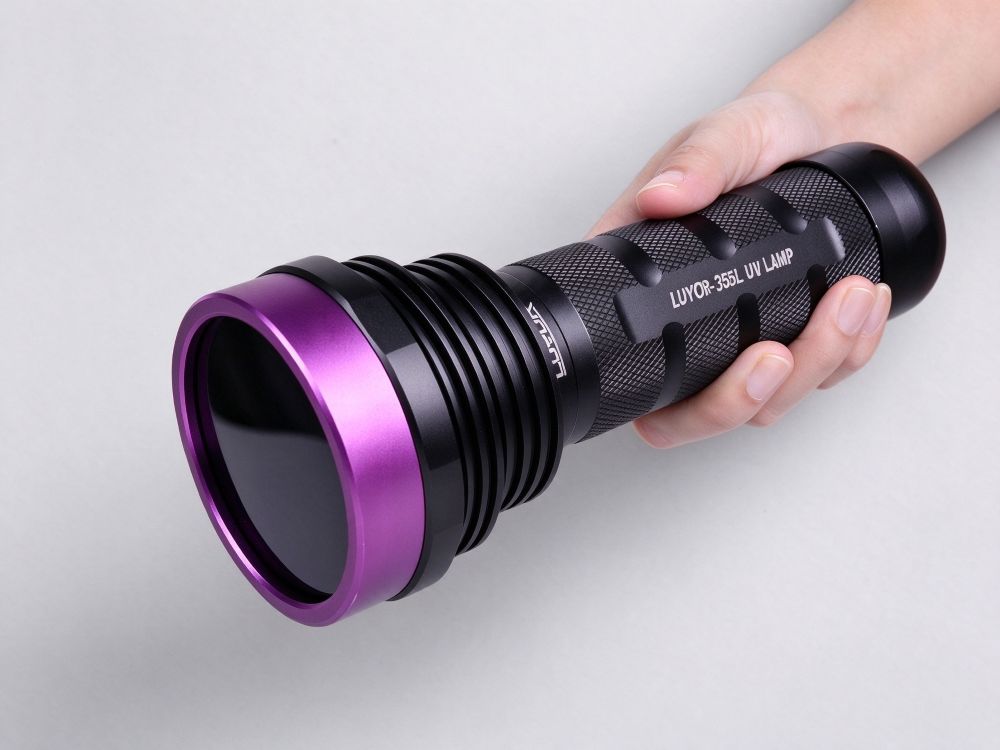
 Model: LUYOR-365L

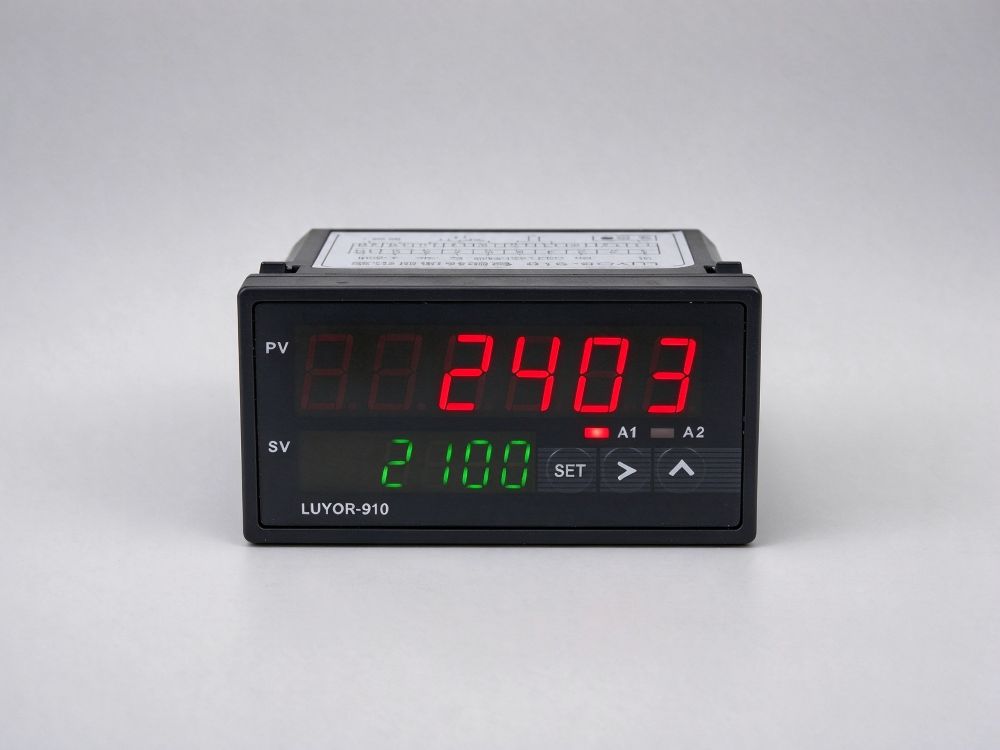
Model: UYOR-910
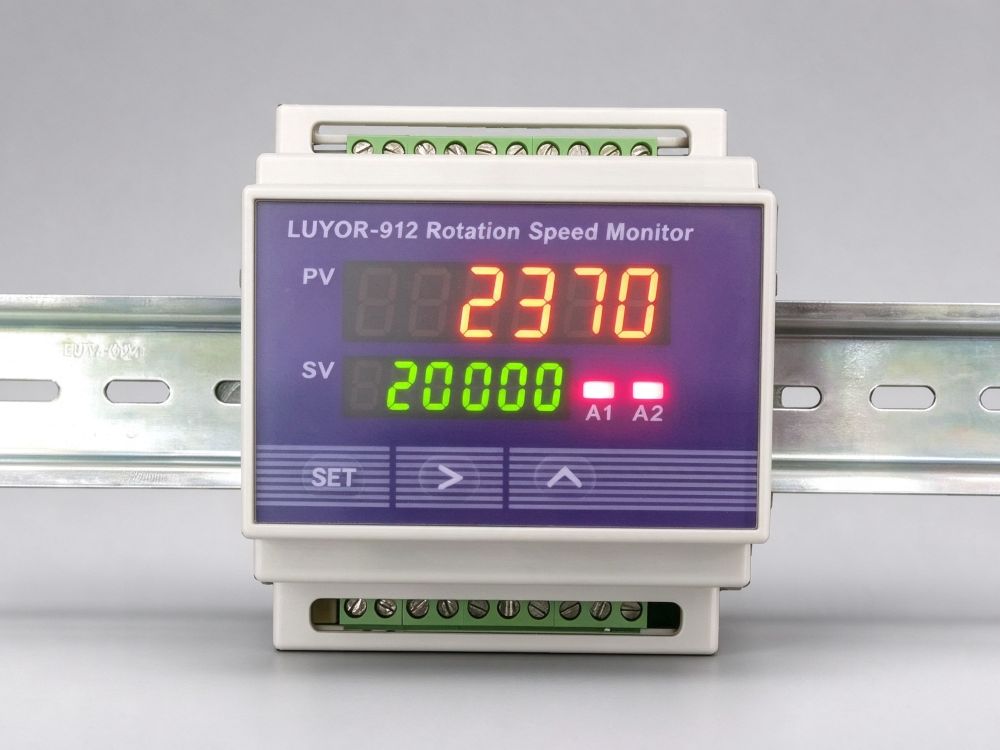
Model: UYOR-912
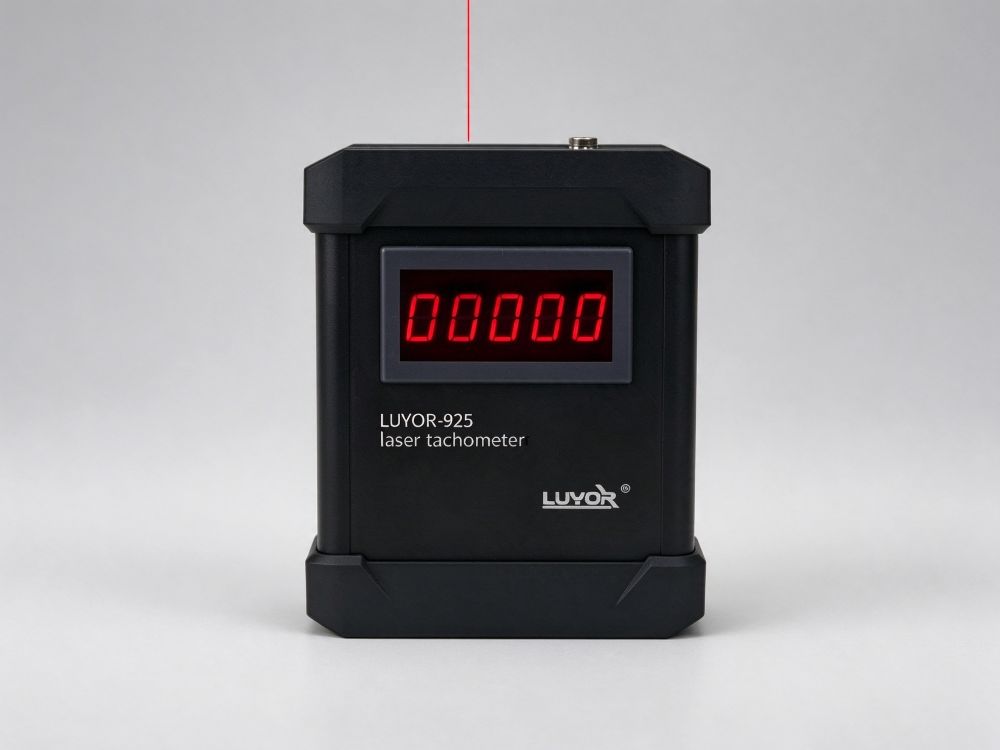
Model: LUYOR-925
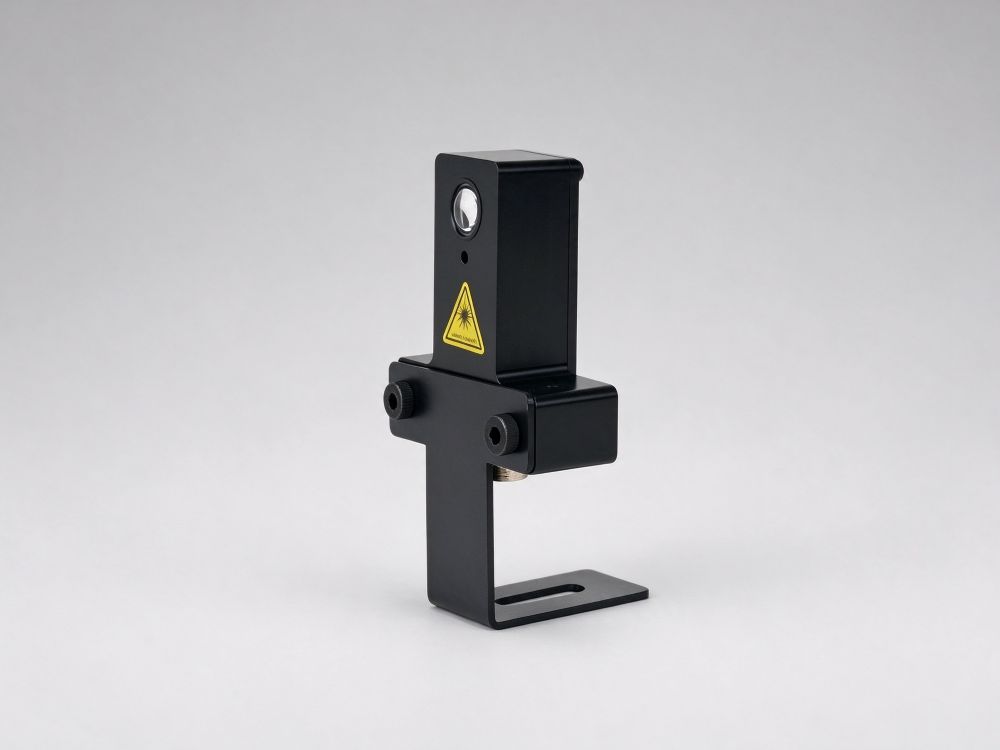
Model: LUYOR ROLS-5PW
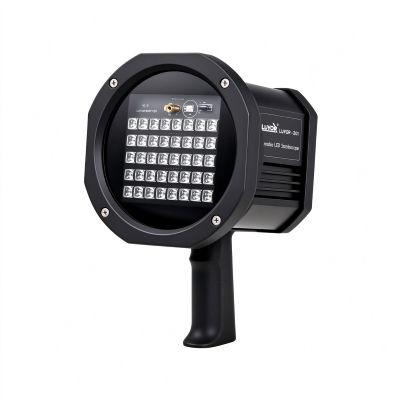
Model: LUYOR-906L
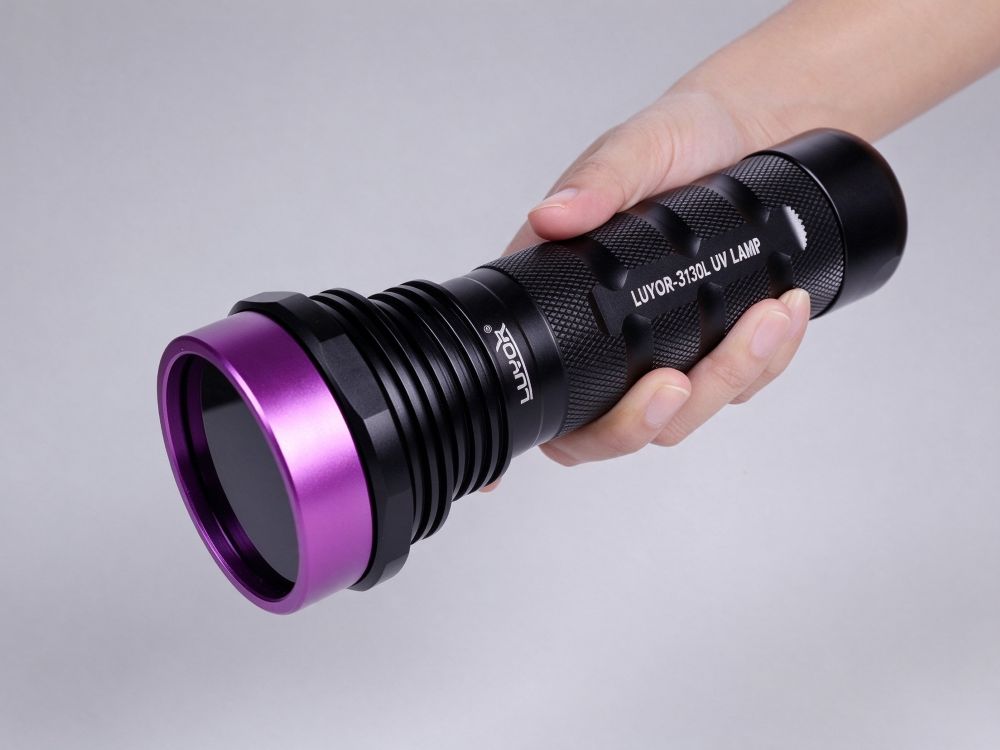
Model: LUYOR-2130L
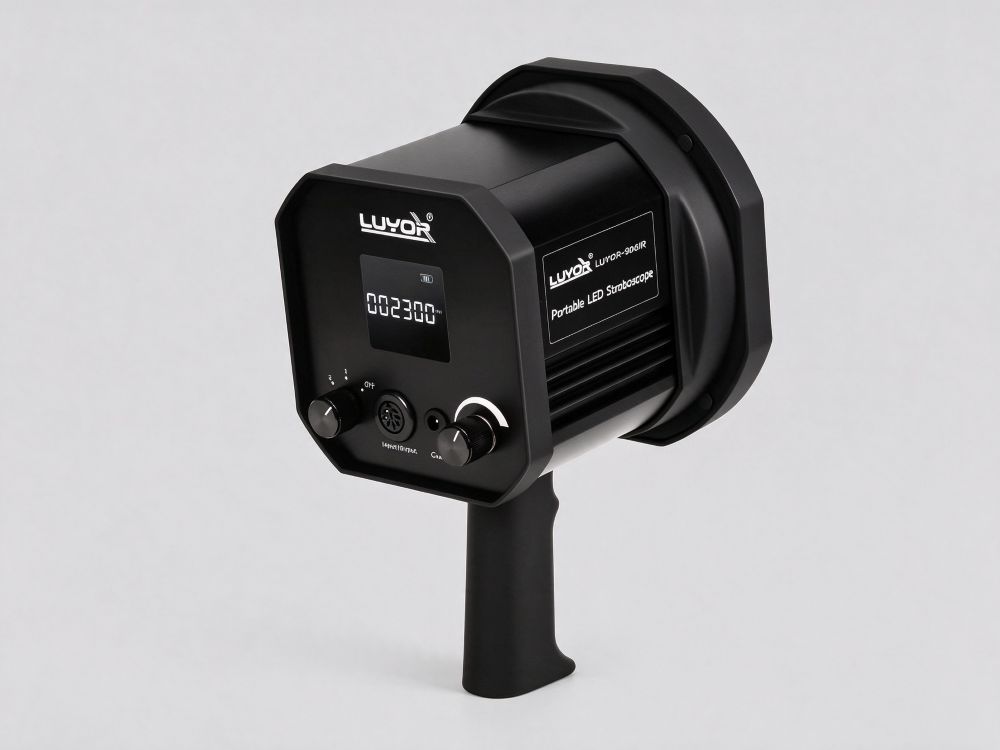
Model: LUYOR-906
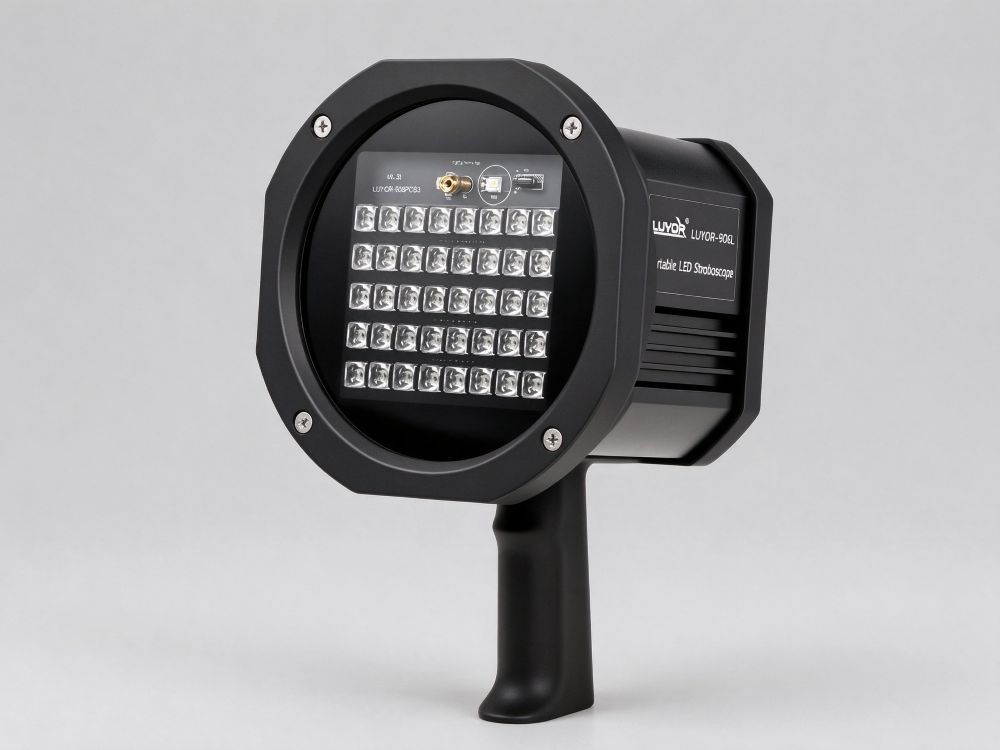
Model: LUYOR-906IR
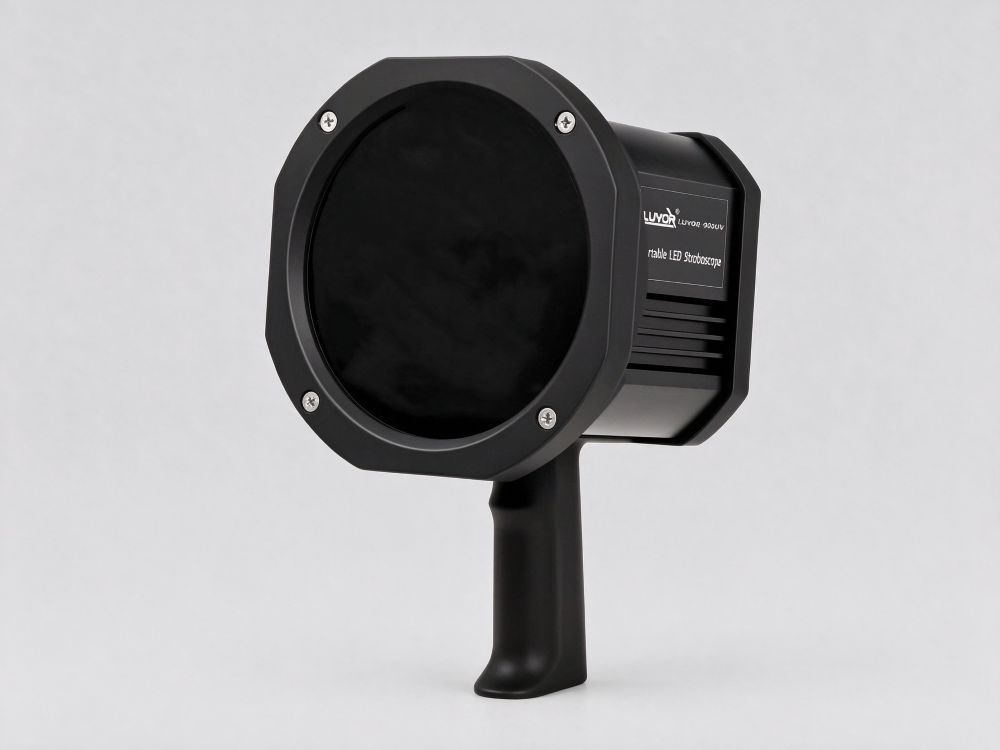
Model: LUYOR-906UV
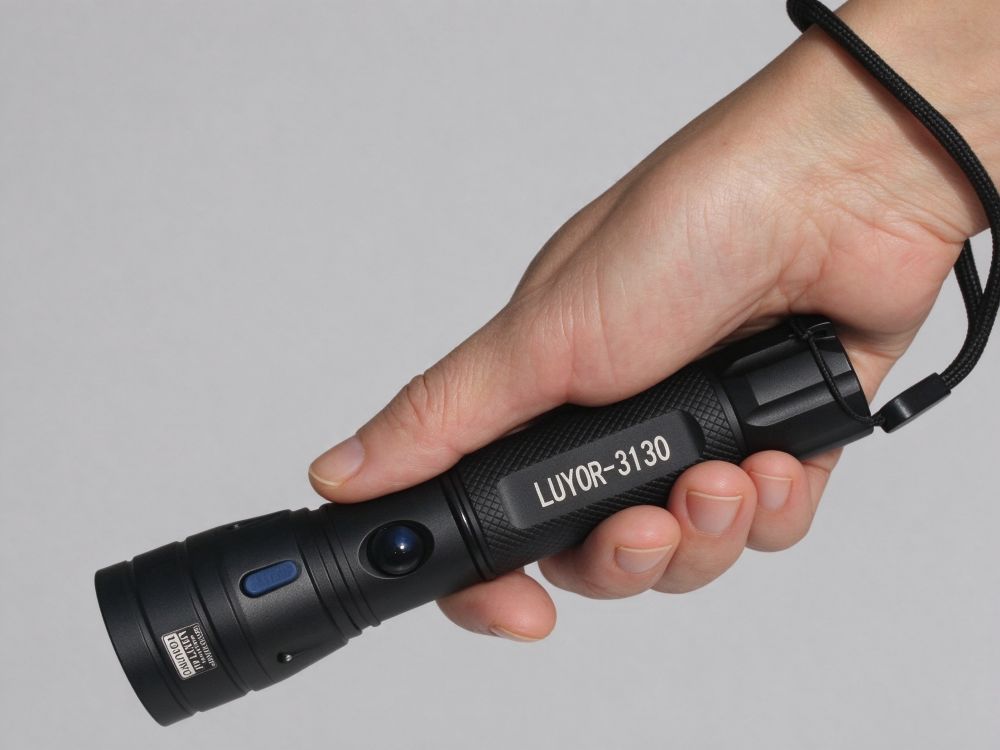
Model: LUYOR-3130
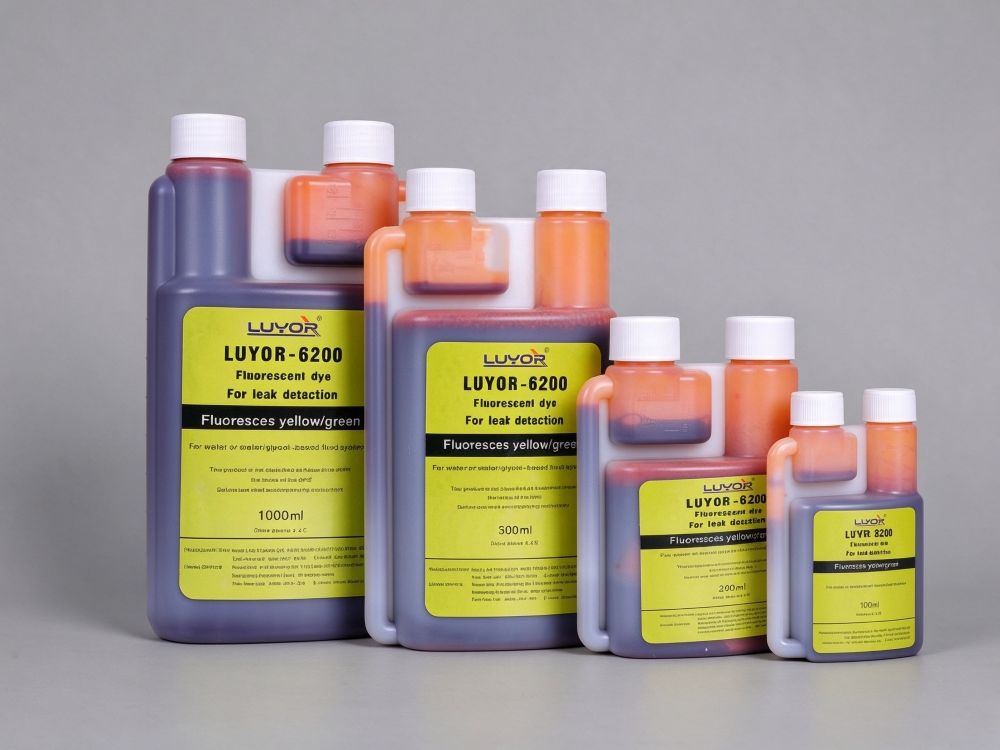
Model: LUYOR-6200
This product line actually brings together two sets of capabilities. One addresses speed measurement and observation of rotating equipment (tachometers, tachometer sensors, stroboscopes) for equipment condition monitoring and production line maintenance. The other addresses UV fluorescence inspection (UV-A inspection lamps, biofilm detection lights, surface inspection lights, fluorescent leak detection dye, and UV irradiance meters) for nondestructive testing, cleaning validation, and cleanroom particle inspection. First decide which type of problem you are solving, then compare models within the corresponding category - that is far more effective than cross-comparing specifications across categories.
| Category | What It Solves | Representative Models |
|---|---|---|
| UV-A Inspection Lamp (Blacklight) for Fluorescent Inspection | Fluorescent penetrant and magnetic particle inspection, degreasing checks, and cleanliness inspection | LUYOR-3160A, 3105D, 3115, BBMA |
| Biofilm Detection Light | Cleaning validation in food and pharmaceutical production, locating biofilm residue hotspots | LUYOR-330, 339 |
| Surface Inspection Light | Visual inspection of scratches and particles on wafer, glass, and coated surfaces | LUYOR-3260G, 3320, 3318, UVP B-100YP |
| Tachometer Sensor | Provides one pulse per revolution to panel meters, PLCs, and data acquisition systems | ROLS-5PW, ROS-W/P, MiniVLS 211 |
| Stroboscope | Observe rotating parts, print patterns, and vibration without stopping the machine | LUYOR-906, 906L, 906UV, 906IR |
| Tachometer | Portable spot checks and online panel display, overspeed alarms | LUYOR-925, LUYOR-912, LUYOR-910, 912 |
| Fluorescent Leak Detection Dye / Tracer | Locating leaks in oil and water circuits, tracing flow direction | LUYOR-6100, 6200, 6300, 6801-6803 kits |
| UV Irradiance Meter | Verifying UV-A lamp intensity and providing audit evidence | XP4000, XRP-3000 |
The comparisons above are compiled from publicly available specifications on the individual product pages. For specific configurations, prices, and lead times, please refer to the corresponding product page or call the number at the bottom of the page. Xinysun Instruments (Shanghai) Co., Ltd. supplies LUYOR and XEPU instruments for industrial inspection, UV curing and speed measurement.
The industrial test instrument line actually combines two sets of capabilities. The first addresses speed measurement and observation of rotating equipment: tachometers give a digital reading, tachometer sensors convert speed into pulses fed to a PLC, and stroboscopes freeze motion so you can see the movement clearly. The second addresses UV fluorescence inspection: UV-A inspection lamps reveal defects and residue, biofilm detection lights find cleaning blind spots, surface inspection lights reveal particles and scratches, fluorescent leak detection dye pinpoints leaks, and UV irradiance meters verify whether these lamps are still bright enough.
The first step in selection is not comparing specifications, but identifying which type of problem you are facing. Cross-comparing specifications across categories is meaningless - a stroboscope and an irradiance meter may both quote 'accuracy', but one measures time while the other measures energy.
1. Do you need to 'read a number' or 'observe a phenomenon'? For numbers, use a tachometer or irradiance meter; for phenomena, use a stroboscope, UV-A inspection lamp, or surface inspection light.
2. Is this spot checking or online monitoring? For spot checks, choose handheld, battery-powered instruments; for online use, choose panel meters, transmitters, and sensors connected to a PLC or DCS.
3. Are you looking for defects or performing validation? Finding defects relies on the human eye and light; validation requires recordable readings, so an irradiance meter and documentation are essential.
Use this table to look up your problem directly - it is faster than browsing by category.
| Problem to Solve | Tool Used | Representative Models |
|---|---|---|
| Is the rotational speed accurate? | Portable laser tachometer | LUYOR-925, LUYOR-925 |
| Speed needs to feed a PLC or trigger an overspeed alarm | Sensor + panel meter/transmitter | ROLS-5PW, LUYOR-912, LUYOR-912 |
| Motion too fast to see clearly | Stroboscope | LUYOR-906L |
| Surface cracks, penetrant residue | 365nm UV-A inspection lamp | LUYOR-3105D, 3115, BBMA |
| Cleaning blind spots and biofilm | Biofilm Detection Light | LUYOR-330, 339 |
| Particles, scratches, burrs | Yellow-Green Surface Inspection Light | LUYOR-3260G, 3320, 3318 |
| Oil and water circuit leaks | Fluorescent leak detection dye + UV-A lamp | LUYOR-6100, 6200, 6802 |
| Is the lamp still bright enough? | UV Irradiance Meter | XP4000, XRP-3000, Apollo 3.0 |
Equipment inspection and condition monitoring: early detection of speed, vibration, slippage, and bearing abnormalities.
Nondestructive testing: illumination and intensity verification for fluorescent penetrant and magnetic particle inspection.
Cleaning validation: screening for residue and biofilm in food, pharmaceutical, and medical device production.
Semiconductor and display: surface particle inspection of wafers, coatings, and fixtures.
Fluid system maintenance: locating leaks in oil circuits, water circuits, and hydraulic stations.
Quality audits: turning 'what you can see' into 'readable, recorded, and traceable' data.
Selection and Brands: Tachometer sensor selection guide: laser, photoelectric and self-powered, Which Brand of Fluorescent UV Inspection Lamp Is Better, and How to Choose Between LED and Mercury Lamps?, How to Choose a UV-A Lamp for Aviation Inspection? Four Standards and a Selection Checklist, How to choose speed measurement: tachometers and sensors compared, 20 Questions About LED Stroboscopes: Frequency Range, Pulse Width, Trigger Linking, and Model Selection
Two areas. First, equipment condition monitoring: tachometers, tachometer sensors, and stroboscopes for speed measurement and online observation of fans, pumps, motors, and production lines. Second, UV fluorescence inspection: UV-A inspection lamps, biofilm detection lights, surface inspection lights, fluorescent leak detection dye, and UV irradiance meters for nondestructive testing, cleaning validation, and cleanroom particle inspection.
First consider whether you need continuous online monitoring. For spot checks and temporary measurements, use a portable laser tachometer (LUYOR-925); to connect to a PLC or host computer for long-term monitoring, you need a sensor plus a transmitter or panel meter (ROLS-5PW with LUYOR-912 or LUYOR-912); if you simply want to see the motion of a rotating part clearly, choose a stroboscope rather than a tachometer.
All instruments are supplied with warranty and calibration services following the manufacturer's procedures, and popular models are in stock in Shanghai. During selection we can provide sample trial units and on-site demonstrations, and repairs and calibration never go through third parties.
It depends on your main pain point. If equipment maintenance is the priority, start with a portable laser tachometer, which has the widest range of uses. For nondestructive testing, start with a 365nm UV-A lamp plus a UV irradiance meter, because insufficient intensity means the inspection is meaningless. For cleaning validation, start with a biofilm detection light, which directly changes your sampling strategy. A stroboscope is an advanced tool for 'seeing motion clearly' and can be added later when you have a specific observation need.
The difference lies in accuracy criteria, traceability, and long-term stability. When results must go into audit records and NIST or 17025 certificates are required, imported models are more convenient. For routine inspections where accuracy requirements are less stringent, domestic models offer better value. A mixed setup is common: imported instruments for critical acceptance criteria and domestic ones for general screening.
Standard models are in stock in Shanghai; special wavelengths, special ranges, and custom models require ordering. During selection, specify the model, wavelength, range, and accessories all at once to avoid discovering on delivery that a filter is missing or the battery specification is wrong. For specific lead times, refer to the product page or confirm by phone.
Authorized distribution channels provide warranty and calibration following the manufacturer's procedures, with no third-party involvement in repairs. It is recommended to clarify the calibration interval and submission method at the time of purchase - especially for devices whose readings serve as acceptance criteria, such as irradiance meters and UV crosslinkers, where annual calibration is a firm requirement.

Email: info@xinysun.com

Tel: 131-2093-6518

Address: 1525 Minqiang Road, Bldg 26, Songjiang, Shanghai

Copyright 2026 Xinysun Instrument (Shanghai) Co., Ltd. All rights reserved.
ICP:ICP-2026046447




 Products
 Applications
 Industrial Test Instruments


