
Products
PRODUCTS Breadcrumb: Home > Products > Life Science Instruments
Authorized distributor for LUYOR (USA) and UVP (USA). Life science instruments target molecular biology and laboratory research, featuring UV crosslinkers (254 nm rapid crosslinking for DNA/RNA membrane transfer fixation, bacterial and phage inactivation, PCR contamination control) and supporting UV fluorescence detection equipment, for universities, research institutes and biopharma labs. In stock in Shanghai with selection and technical support.
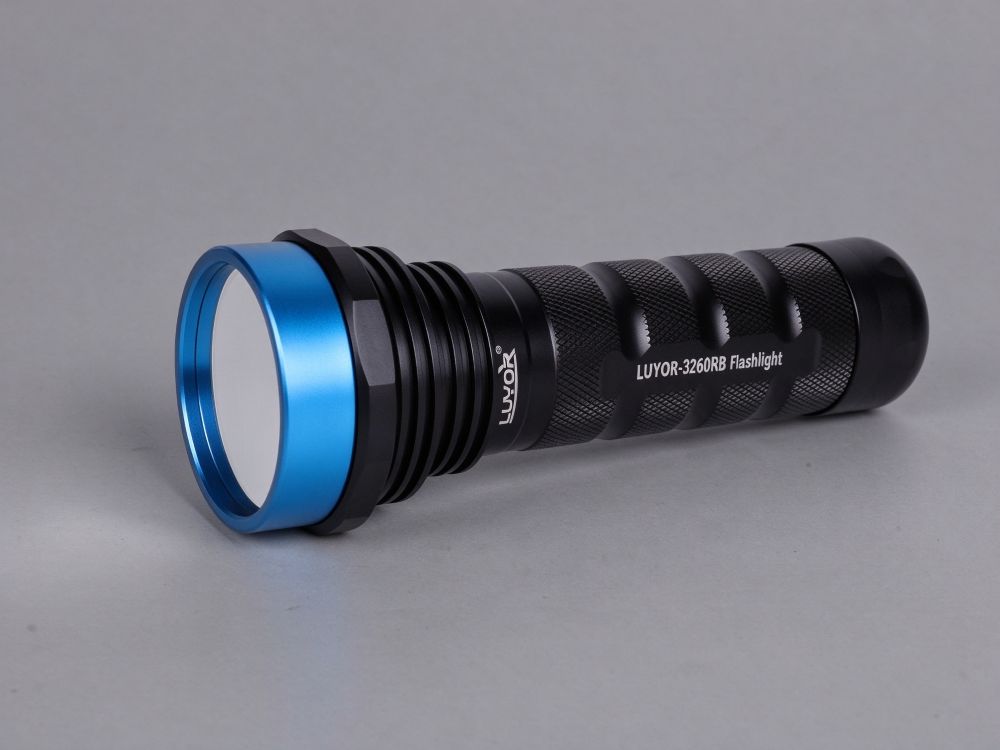
 Model: LUYOR-3260RB/3260GR

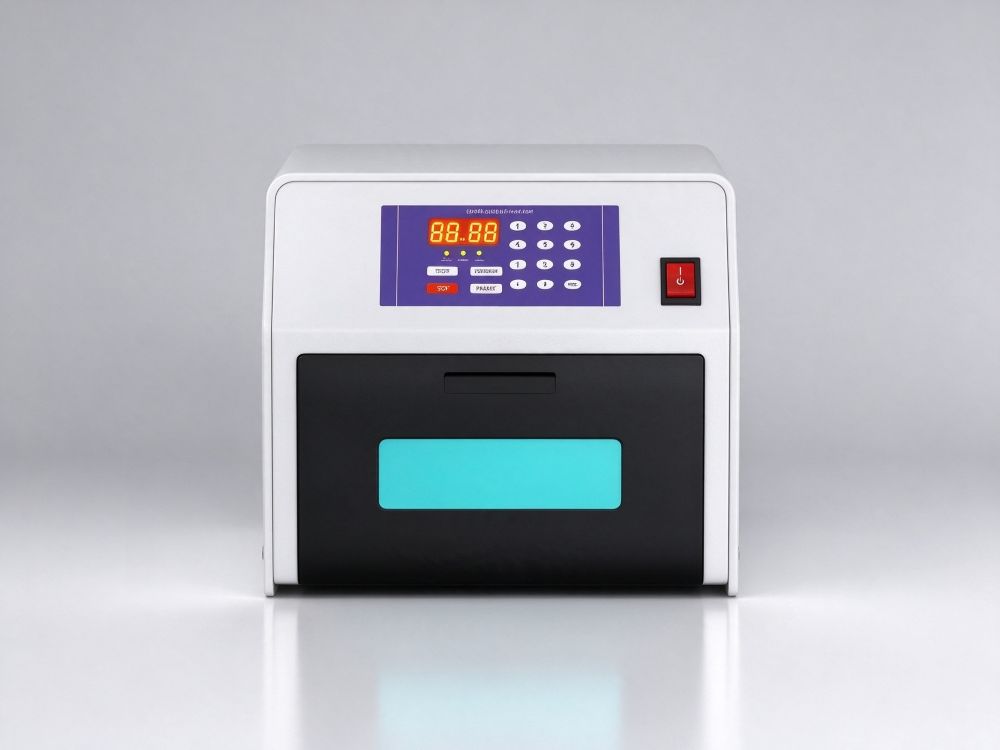
Model: LUYOR-3450
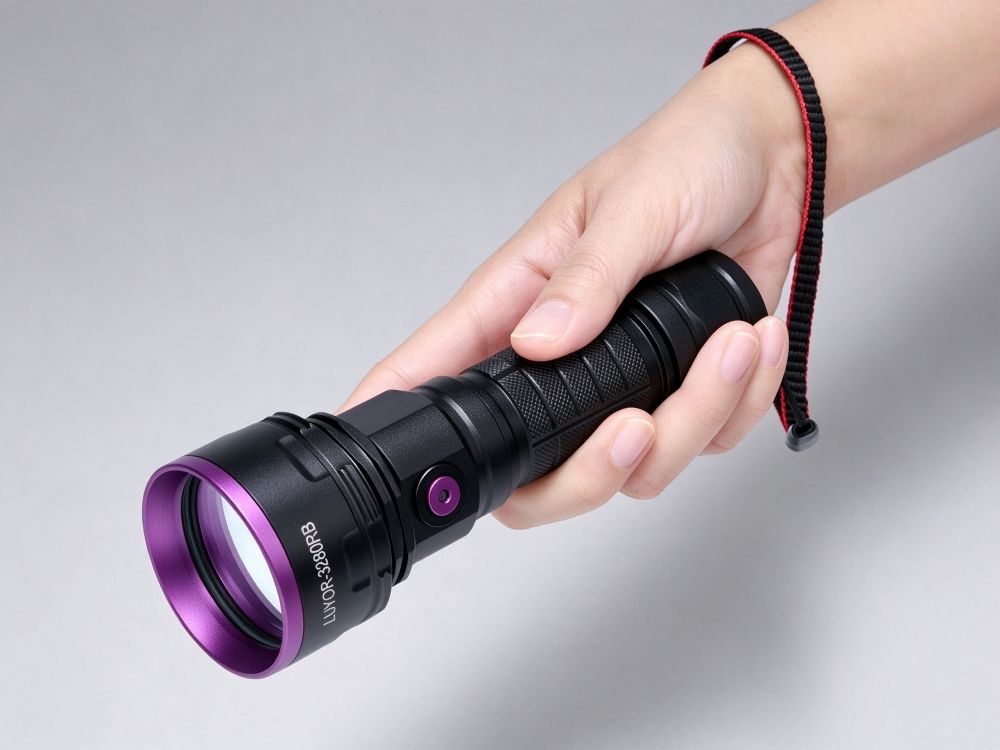
Model: LUYOR-3280RB/3280GR
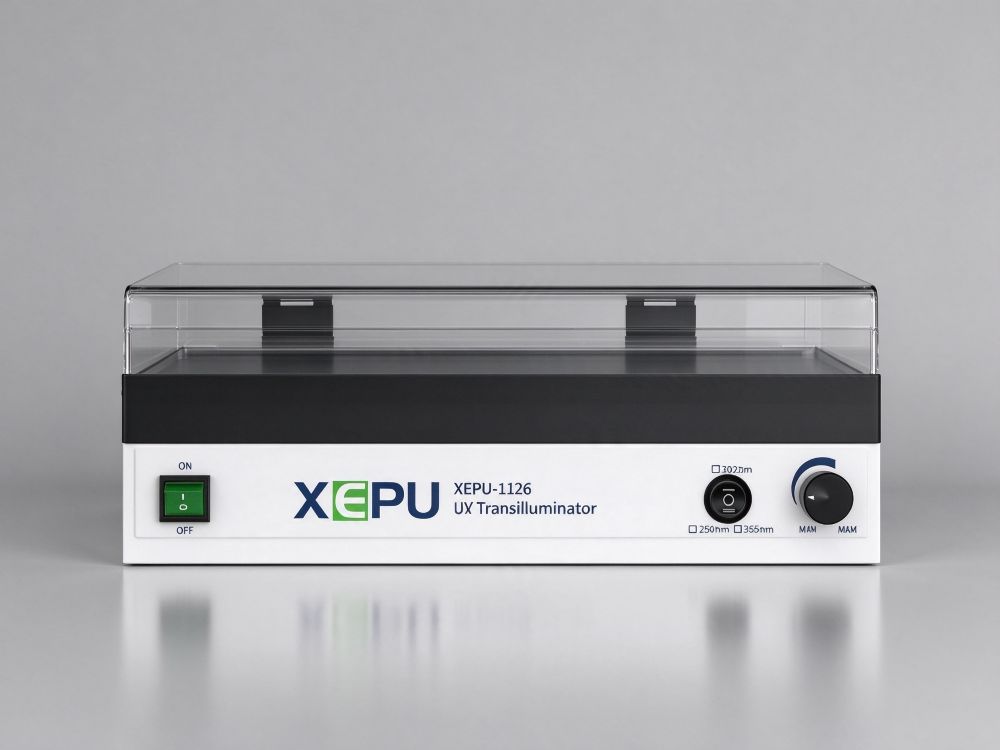
Model: XEPU-1126
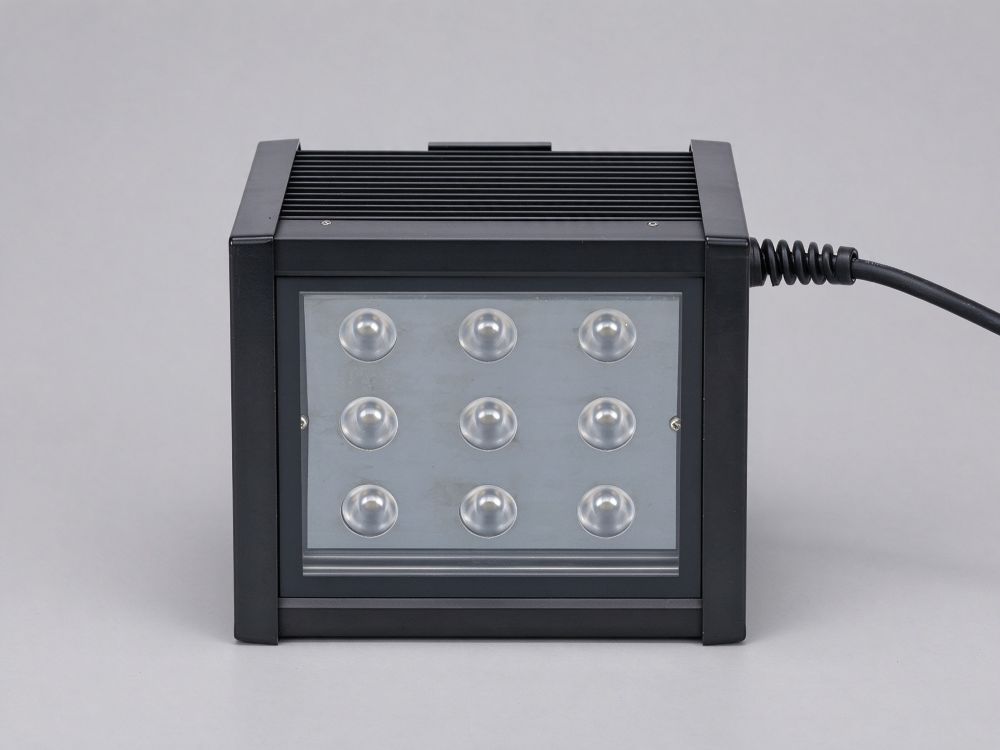
Model: LUYOR-3109
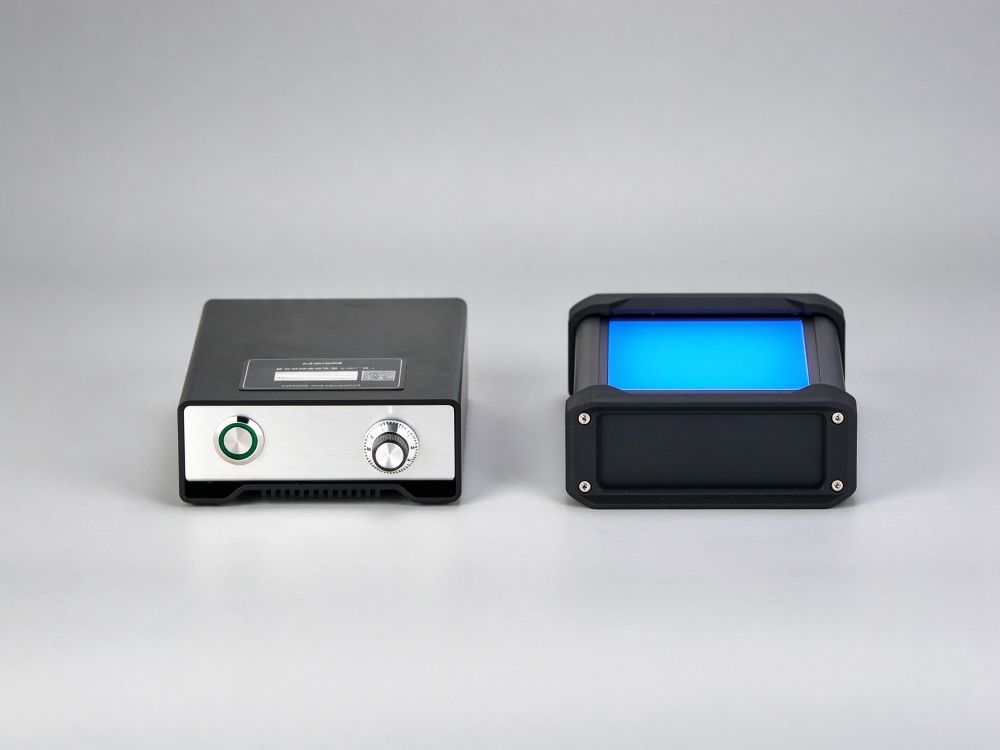
Model: LUYOR-3480
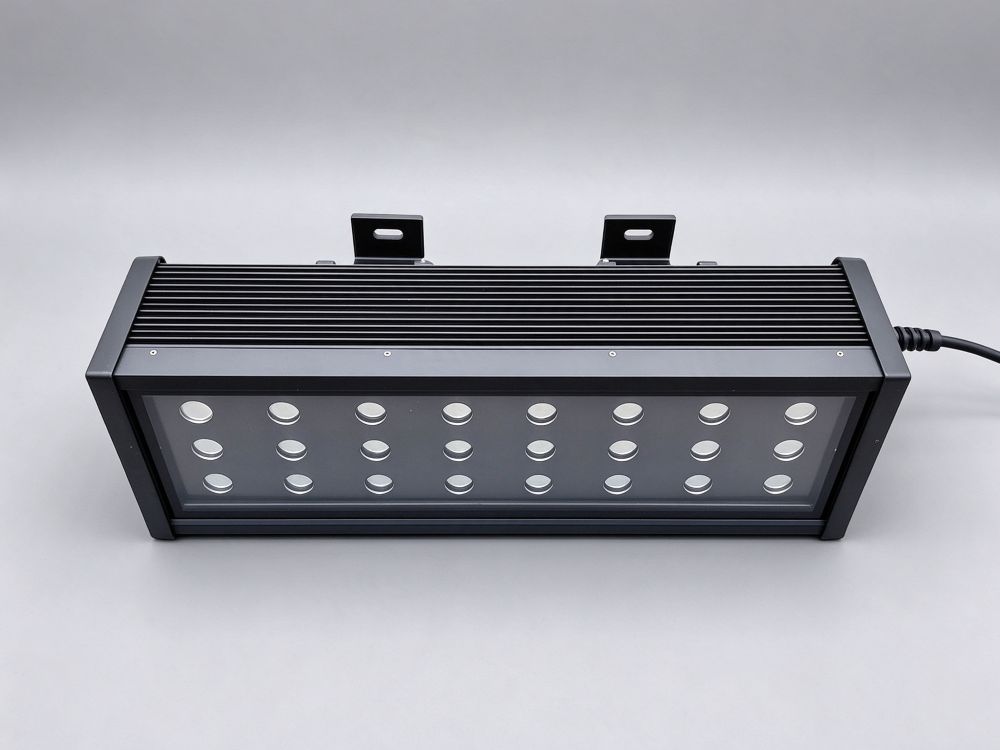
Model: LUYOR-3124RB
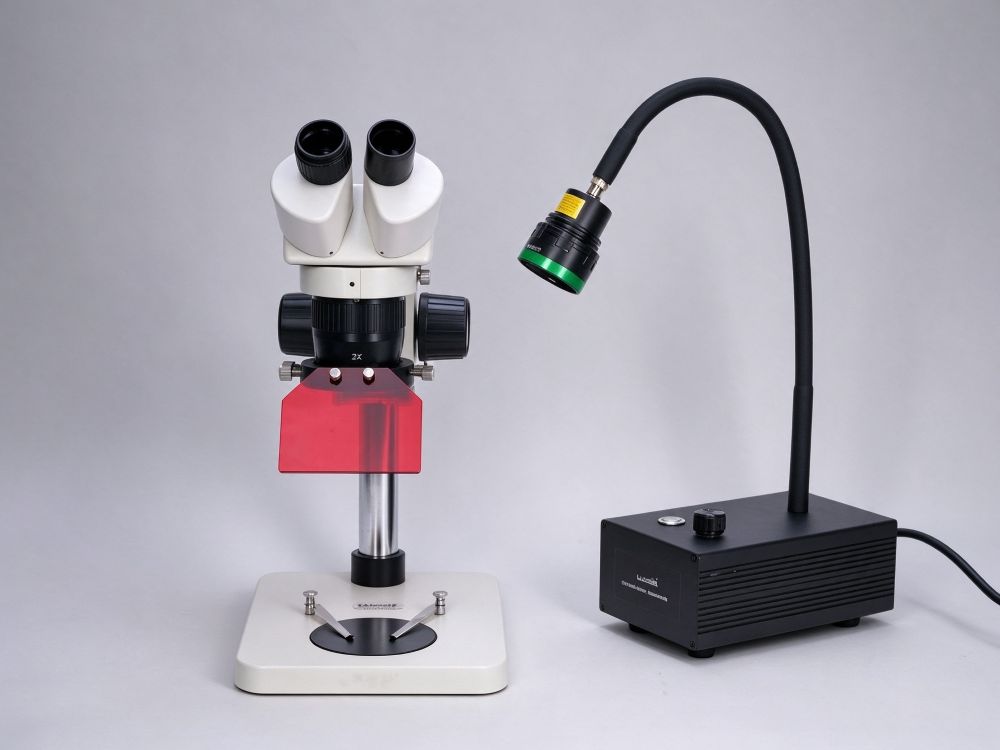
Model: LUYOR-3421RB/LUYOR-3421GR
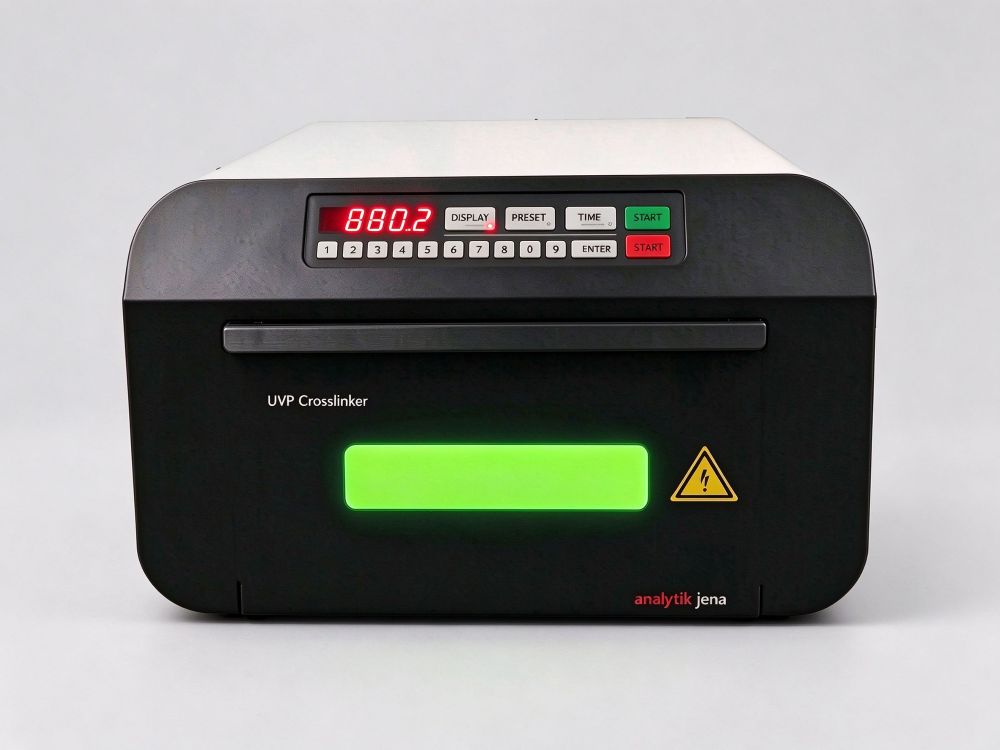
Model: UVP Crosslinker CL-3000
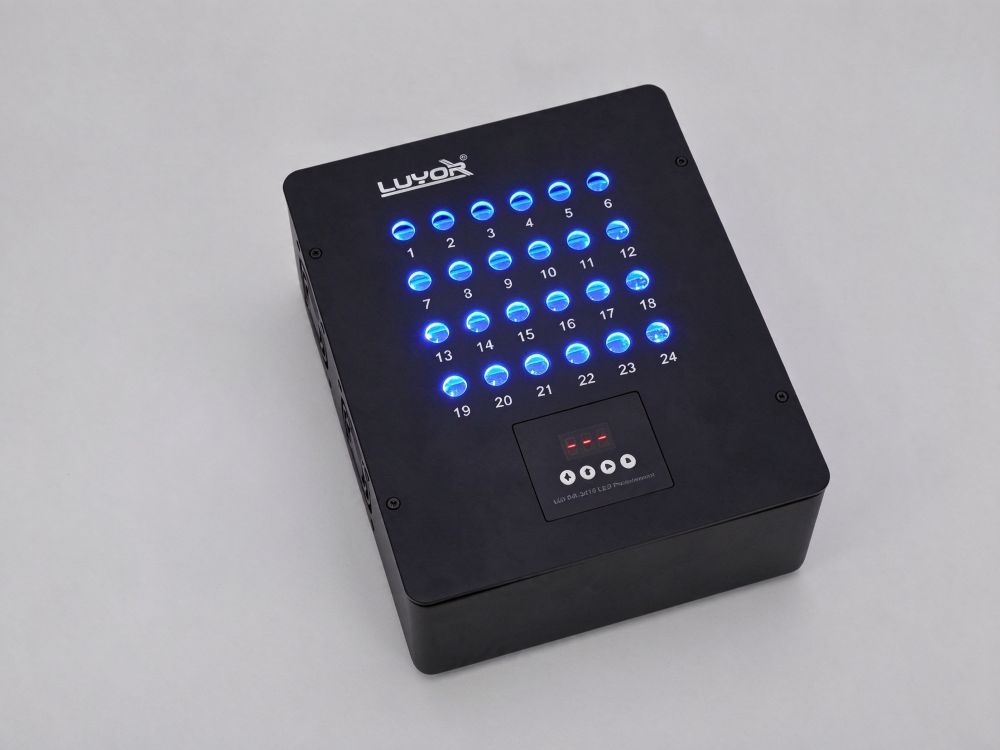
Model: LUYOR-3419PMA
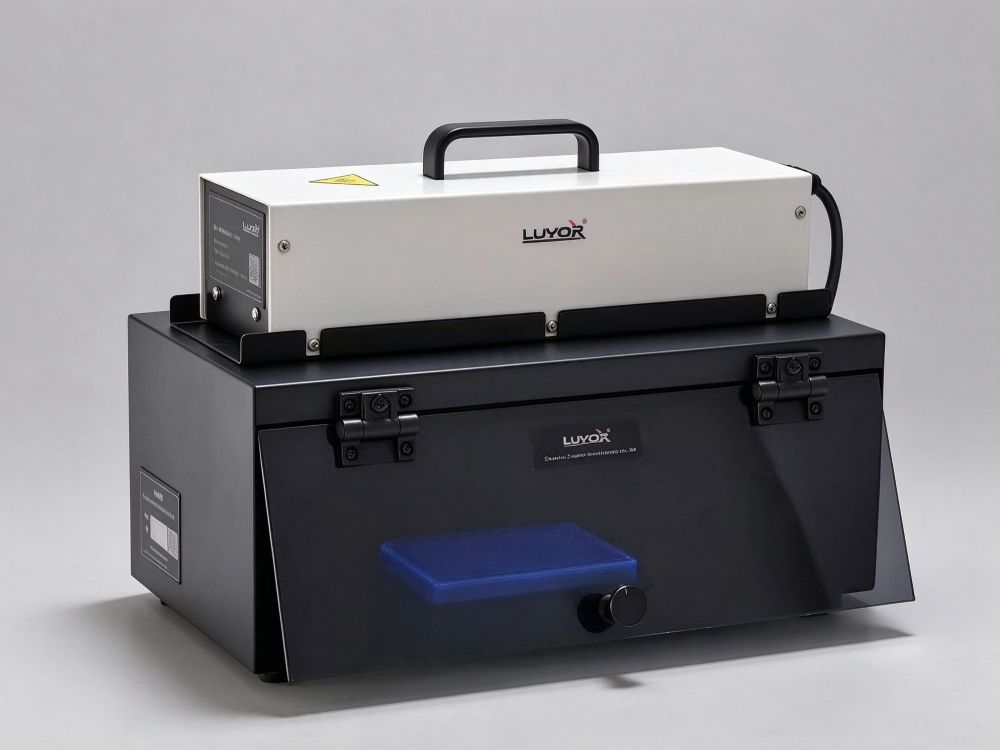
Model: LELMS-38L
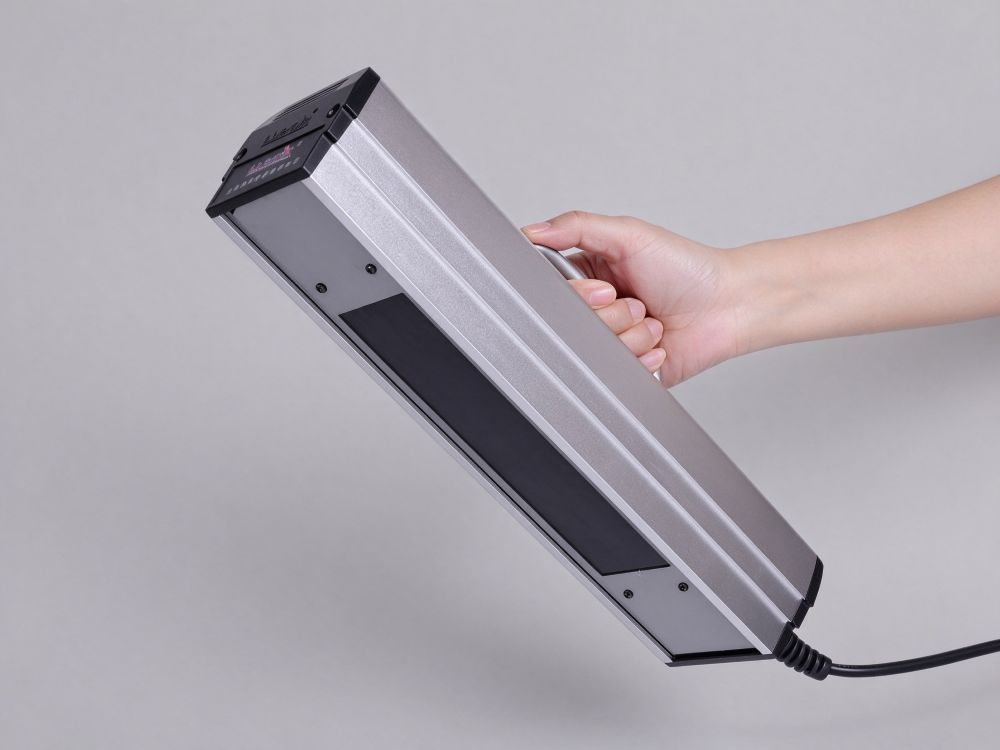
Model: LEAC-280L
The four types of equipment in this line are often lumped together, but their roles are actually clear-cut: fluorescent protein flashlights handle excitation and observation (viewing GFP and DsRed); UV crosslinkers deliver a quantified dose of energy (nucleic acid membrane crosslinking, PCR decontamination); irradiation systems handle controlled light experiments (photocatalysis, phototoxicity, optogenetics); and UV lamps and transilluminators handle benchtop illumination and gel observation. First identify which category your experiment falls into, then compare chamber size, wavelength, and temperature control.
| Category | What It Solves | Representative Models |
|---|---|---|
| GFP Fluorescence Flashlight | In vivo fluorescent protein observation, transgenic screening | LUYOR-3415RG, 3280, 3124RB, NIGHTSEA Xite |
| Laboratory Irradiation System | Photocatalysis, phototoxicity, optogenetics, and photochemical synthesis | LUYOR-3550, 3450, 3480, 3419PMA, 3486 |
| UV Crosslinker | Nucleic acid membrane crosslinking, PCR decontamination, and UV mutagenesis | LUYOR UCL-3200, UCL-3500, XEPU-1208, 1215 |
| Laboratory UV Lamp | Gel illumination, fluorescence observation, photocatalysis, and benchtop disinfection | LUYOR-3405A, 3109, LELMS-38L, B-100AP |
| UV Transilluminator | Gel observation and gel excision/recovery | LUV-260, XEPU-1126ML, LUV-450 |
The comparisons above are compiled from publicly available specifications on the individual product pages. For specific configurations, prices, and lead times, please refer to the corresponding product page or call the number at the bottom of the page. Xinysun Instruments (Shanghai) Co., Ltd. supplies LUYOR and XEPU instruments for industrial inspection, UV curing and speed measurement.
Light equipment in life science labs is often lumped together, but the division of labor is clear: fluorescent protein flashlights handle excitation and observation, answering 'is it expressed?'; UV crosslinkers deliver a quantified dose, answering 'is crosslinking sufficient?'; irradiation systems handle controlled light experiments, answering 'what happens at a set dose?'; and UV lamps and transilluminators handle benchtop illumination and gel observation, answering 'where are the bands?'.
Once the tasks are clearly separated, selection stays on track: if you need to see, buy a light source with a matching wavelength and filter glasses; if you need a dose, buy a chamber instrument with an energy mode and sensor; if you need long irradiation times, prioritize temperature control and uniformity over brightness.
1. Start by defining the experimental goal: observing expression, fixing nucleic acids, light treatment, or viewing gels - the four goals correspond to four types of equipment and are not interchangeable.
2. Then set the wavelength: 440-460nm for GFP, 510-540nm for DsRed; 254nm for membrane crosslinking; typically 365nm for photocatalysis; 302nm for gel viewing and 365nm for gel excision.
3. Next consider sample format and throughput: a single dish, a 96-well plate, a whole tray of plants, or hybridization tubes will determine the chamber and irradiation area.
4. Finally, consider documentation needs: if dose and temperature must go into a paper's methods section, an energy mode and temperature control are mandatory.
Look up your goal in this table to avoid buying the wrong type.
| Experimental Goal | Equipment | Key Specifications |
|---|---|---|
| Viewing GFP / DsRed expression | Fluorescent protein excitation light source + filter glasses | Wavelength match, irradiation area, battery life |
| Fixing nucleic acids to a membrane | UV Crosslinker | 254nm, energy mode, chamber size |
| Phototoxicity, photocatalysis, optogenetics | Irradiation System | Wavelength, dose, chamber temperature |
| Gel observation and excision | UV Transilluminator | 302/365nm, benchtop uniformity, protective shield |
| Benchtop disinfection, localized irradiation | Laboratory UV Lamp | Wavelength, intensity, and whether ozone is produced |
Transgenic screening in plants and animals: primary screening of fluorescent proteins to narrow the scope of subsequent PCR validation.
Molecular hybridization: post-transfer crosslinking and fixation, which determine signal strength and background.
Cellular phototoxicity assessment: standardized assays such as 3T3 NRU, where dose and temperature must be reproducible.
Photocatalysis and photosynthesis: conditional screening and catalyst evaluation.
Nucleic acid electrophoresis: gel viewing, gel excision and recovery, and gel image archiving.
Cleanliness and decontamination: PCR pre-treatment, and disinfection of clean benches and biological safety cabinets.
Selection and Brands: UV Crosslinker FAQ: Uses, Selection, Differences from an Oven, and Operating Workflow, How to Choose a UV Irradiance Meter: Principles, Units, Three Models Compared, and Periodic Verification Methods, Avoiding Pitfalls in Choosing Fluorescent Protein Excitation Sources: Why Do Many Experiments Show No Fluorescence Signal?, How to Choose Between a Blue-Light Transilluminator and a UV Transilluminator? Dye Compatibility and Protection for 470nm Gel Excision, How to Choose a Wavelength for a UV Crosslinker: 254/312/365nm Applications and Models...
A dual-wavelength excitation light source plus a matching pair of filter glasses is all you need to start. The LUYOR-3415RG switches between RB (440-460nm, for GFP) and GR (510-540nm, for DsRed) with no darkroom required. To view a whole tray of plants or a group of animals at once, switch to the 3124RB hanging model or the 3280 high-power flashlight.
No. A crosslinker is a closed chamber that delivers a quantified dose at 254nm, so the dose is reproducible for validation. A transilluminator is an open benchtop device that transmits light from below, used for observation and gel excision. Using a transilluminator for a few minutes to crosslink a membrane gives an uncontrolled dose, poor reproducibility, and a methodology that cannot be clearly described.
No. For fluorescence observation, simply dimming the ambient light provides adequate contrast. Irradiation and crosslinking instruments are either closed chambers or directional light sources and do not depend on a darkroom. A darkroom is truly needed only for quantitative fluorescence imaging and weak-signal detection, and a light hood or dark box can serve as a substitute.
Equip for the three most common tasks: viewing fluorescence (a dual-wavelength excitation light source plus matching glasses), running gels (a transilluminator, with dual 302/365nm wavelengths being the most convenient), and decontamination and crosslinking (a UV crosslinker). These three cover most routine needs; purchase an irradiation system separately when you have a specific light-experiment requirement.
Some can: a dual-wavelength crosslinker covers 254 and 365nm, a dual-wavelength transilluminator handles both gel viewing and excision, and a triple-wavelength UV lamp covers 254/302/365nm in one unit. However, 'versatility' usually means the intensity at each wavelength is lower than that of a dedicated model. If one wavelength is your main workhorse, a dedicated instrument is still recommended.
UV instruments require ventilation and light shielding, and 254nm tubes need attention to ozone. Irradiation and crosslinking equipment need space for heat dissipation; excessively high ambient temperatures can defeat chamber temperature control. Transilluminators need a stable benchtop and a nearby power outlet. When space is tight, prioritize separating 'observation' instruments from 'irradiation' instruments to avoid mutual interference.
Three things: clean the optical windows and filters (fingerprints and dust directly reduce signal), record cumulative lamp hours (replace before the rated life rather than waiting for failure), and regularly verify intensity (with an irradiance meter or the built-in sensor). Perform an annual dose check on crosslinkers and irradiation systems, and inspect observation equipment every quarter for scratched glasses or filters.

Email: info@xinysun.com

Tel: 131-2093-6518

Address: 1525 Minqiang Road, Bldg 26, Songjiang, Shanghai

Copyright 2026 Xinysun Instrument (Shanghai) Co., Ltd. All rights reserved.
ICP:ICP-2026046447




 Products
 Applications
 Industrial Test Instruments


